We organise a UIK summer course on implementation science
The course, held on 24 June in Donostia, brought together international speakers and professionals from the healthcare and research sectors.
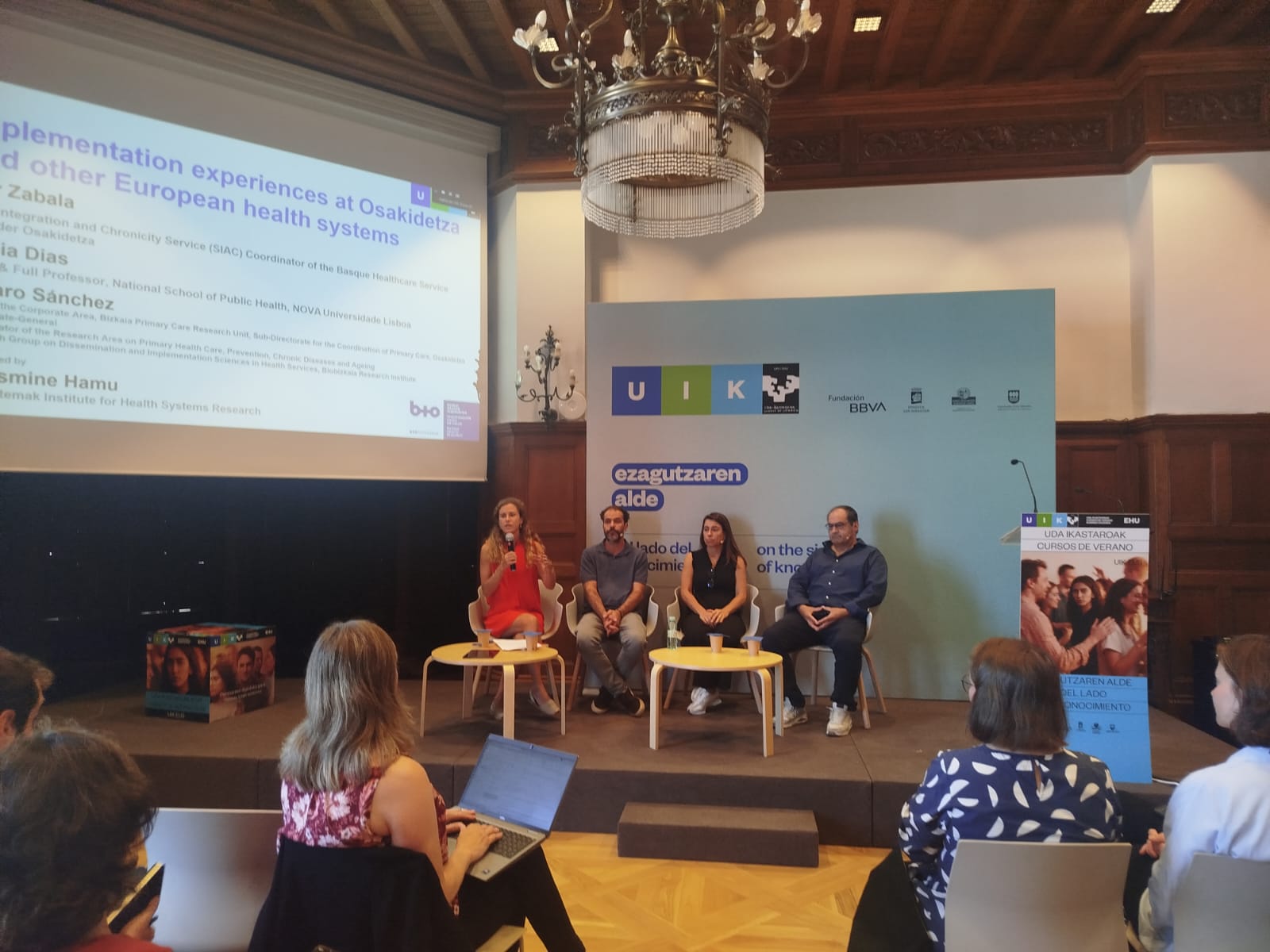
On 24 June, the Miramar Palace in Donostia hosted the summer course ‘From evidence to clinical practice: implementation science’, organised by Biosistemak as part of the UIK Summer Courses, an initiative of the University of the Basque Country (EHU).
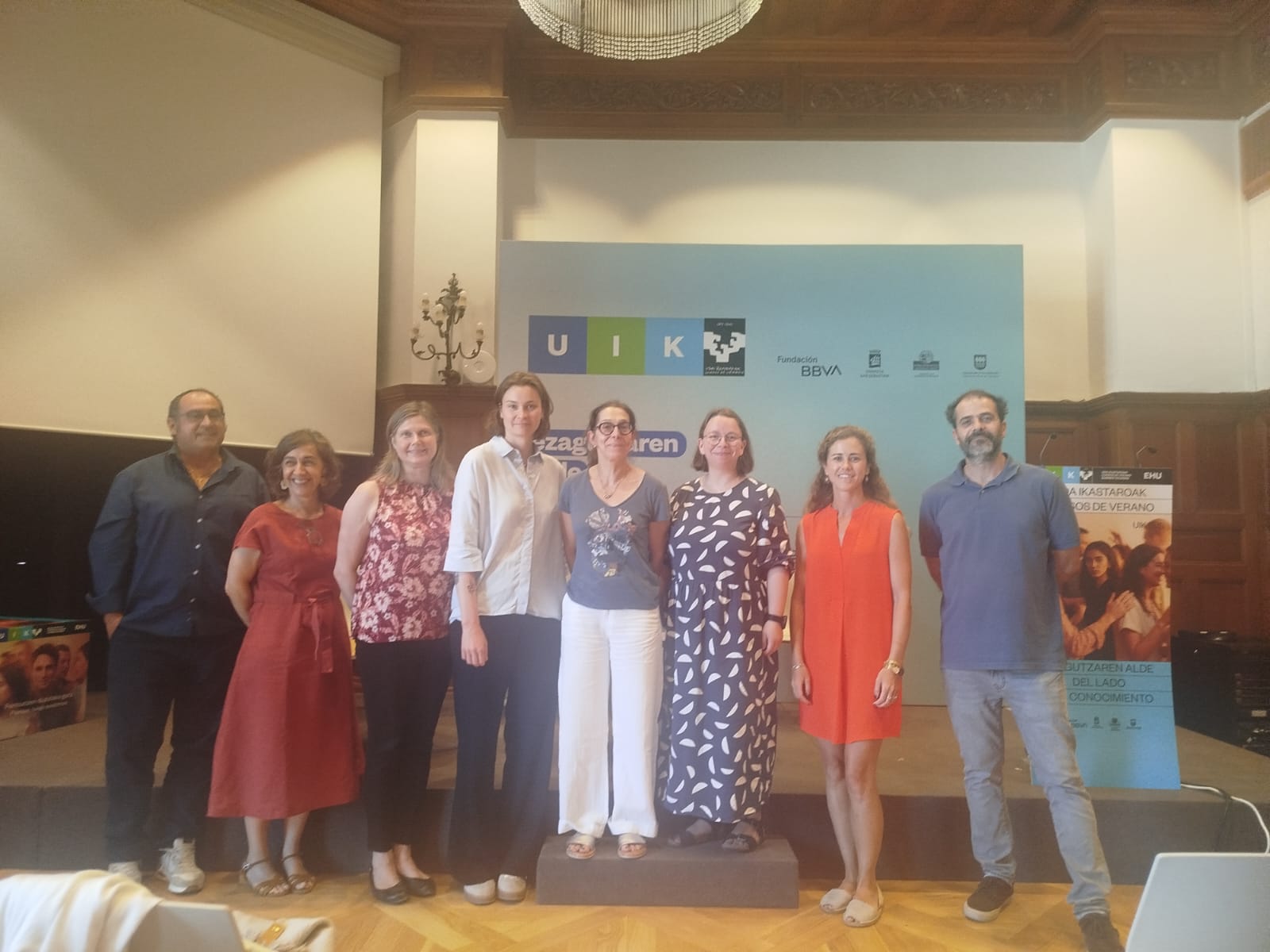
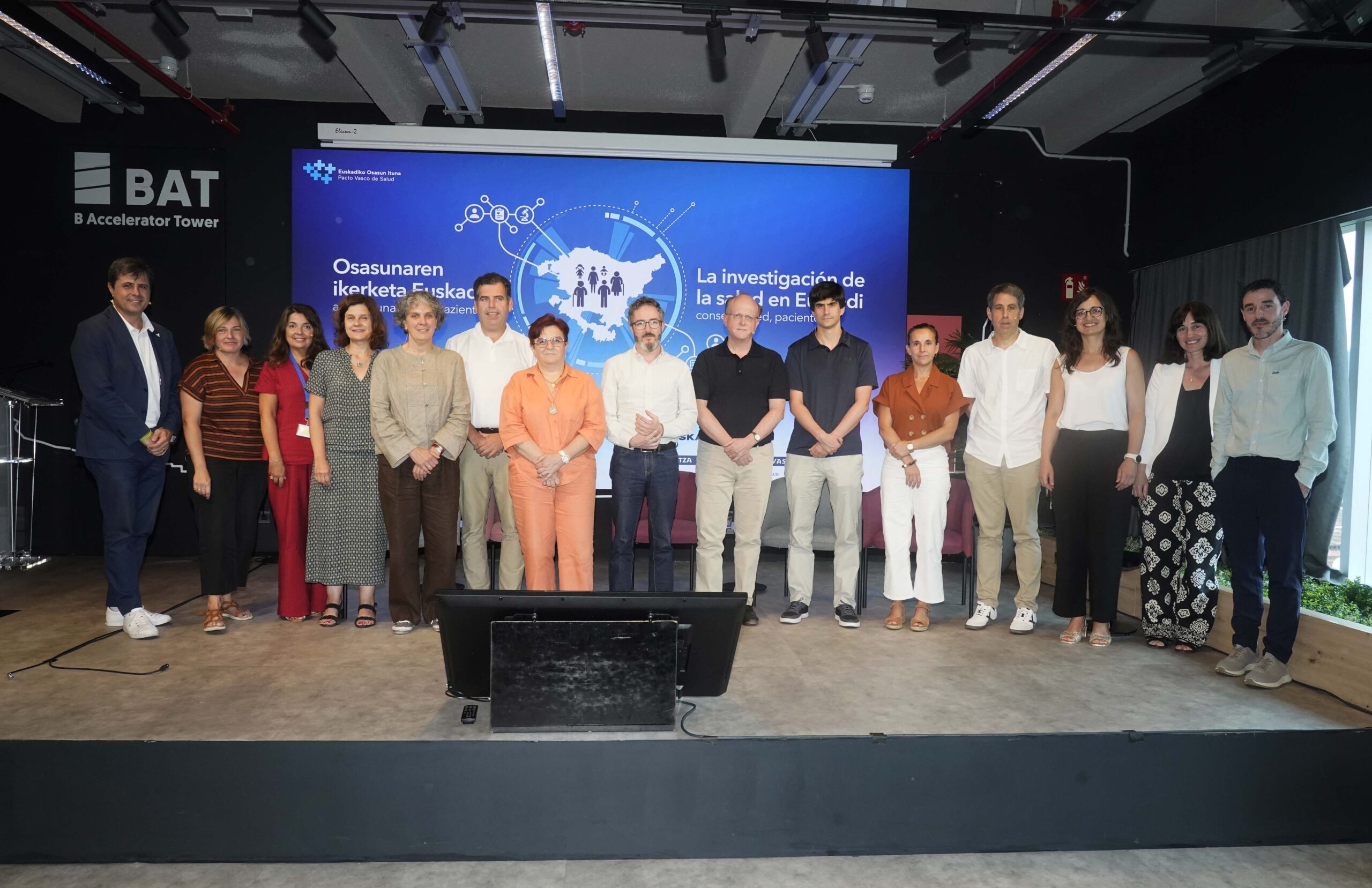
The programme featured specialists in implementation science, including Leah Buhrmann (Northumbria University ), Heather Lynn (Implementation Collaborative, Biobizkaia), Hilde Bastiaens (University of Antwerp), Laura Musta (Finnish Institute for Health and Welfare ), Sónia Dias (Nova University Lisbon) alongside professionals from the Basque Country: Igor Zabala (Osakidetza), Álvaro Sánchez (Biobizkaia, Osakidetza) and our scientific coordinator, Dolores Verdoy.
The event also brought together clinical professionals, management staff, researchers and experts in the fields of innovation and health evaluation, with the aim of exploring a key discipline for healthcare systems: implementation science, which seeks to bridge the gap between scientific knowledge and its actual application in clinical practice.
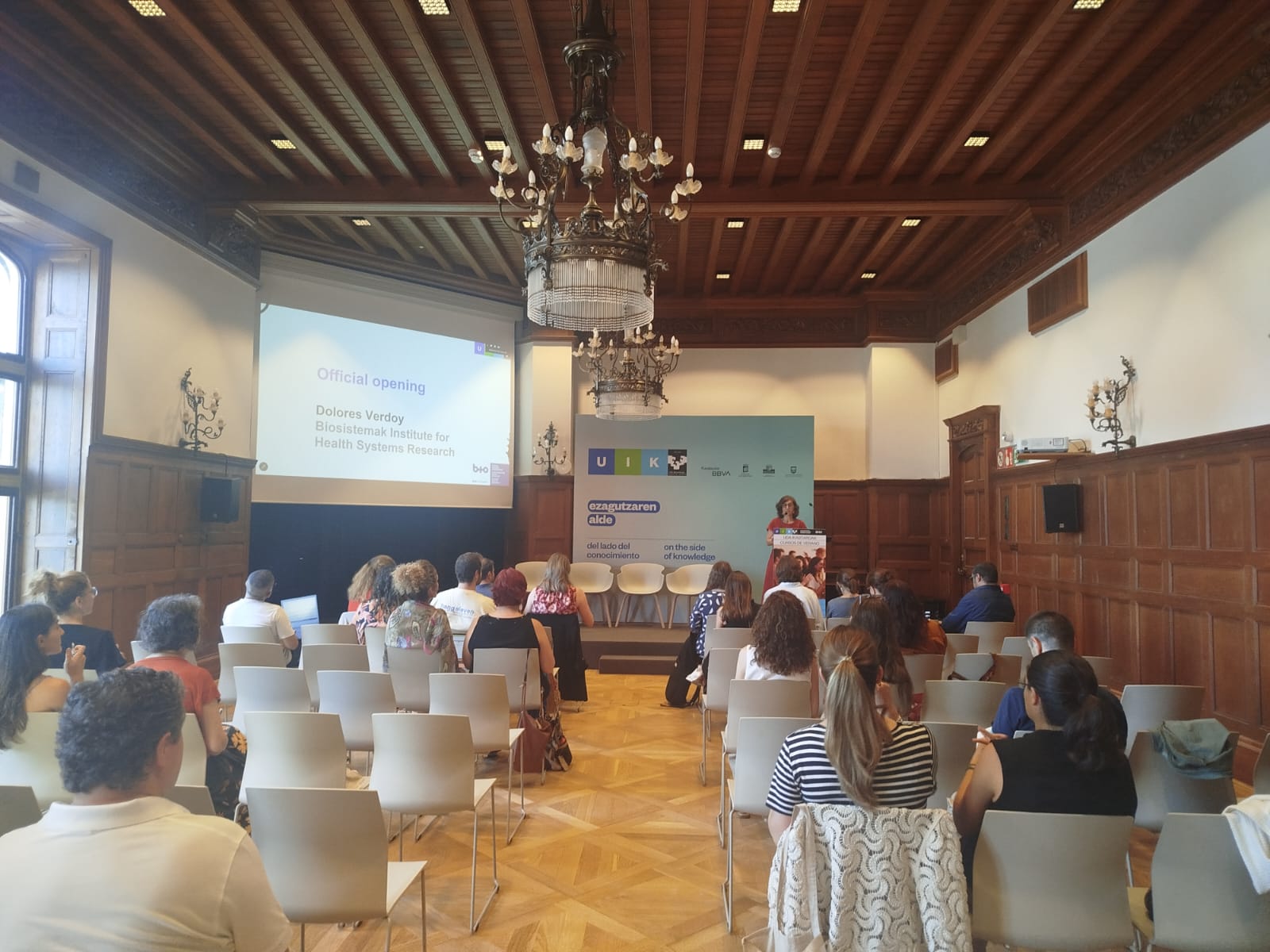
A practical, intensive and hands-on course
Over the course of an intensive session, the programme combined conceptual foundations, practical tools and real-life implementation experiences within the Basque Health System and other European contexts.
The course addressed key aspects such as the role of the organisational context, the factors influencing the adoption and sustainability of interventions, the evaluation of outcomes, and the incorporation of equity into change processes.
A central part of the day was a m , which was dedicated to real-world implementation experiences. During this session, participants shared lessons learnt, barriers and facilitators identified across different health systems, contributing to an applied and multi-level perspective on the discipline.
The highly practical approach enabled participants to learn about strategies, frameworks and tools to facilitate the effective integration of evidence-based interventions, as well as to reflect on how these could be applied in their respective professional settings.