Osakidetza and Biosistemak are launching a health literacy programme for young people
This initiative forms part of the JACARDI project, which aims to reduce the burden of cardiovascular disease and diabetes in Europe.
The Biosistemak Institute, in collaboration with Osakidetza, is leading an innovative programme in the Basque Country aimed at improving health literacy among adolescents and young people. This initiative is being carried out as part of the European Joint Action JACARDI, funded by the EU4Health programme, which aims to reduce the burden of cardiovascular disease and diabetes in Europe.
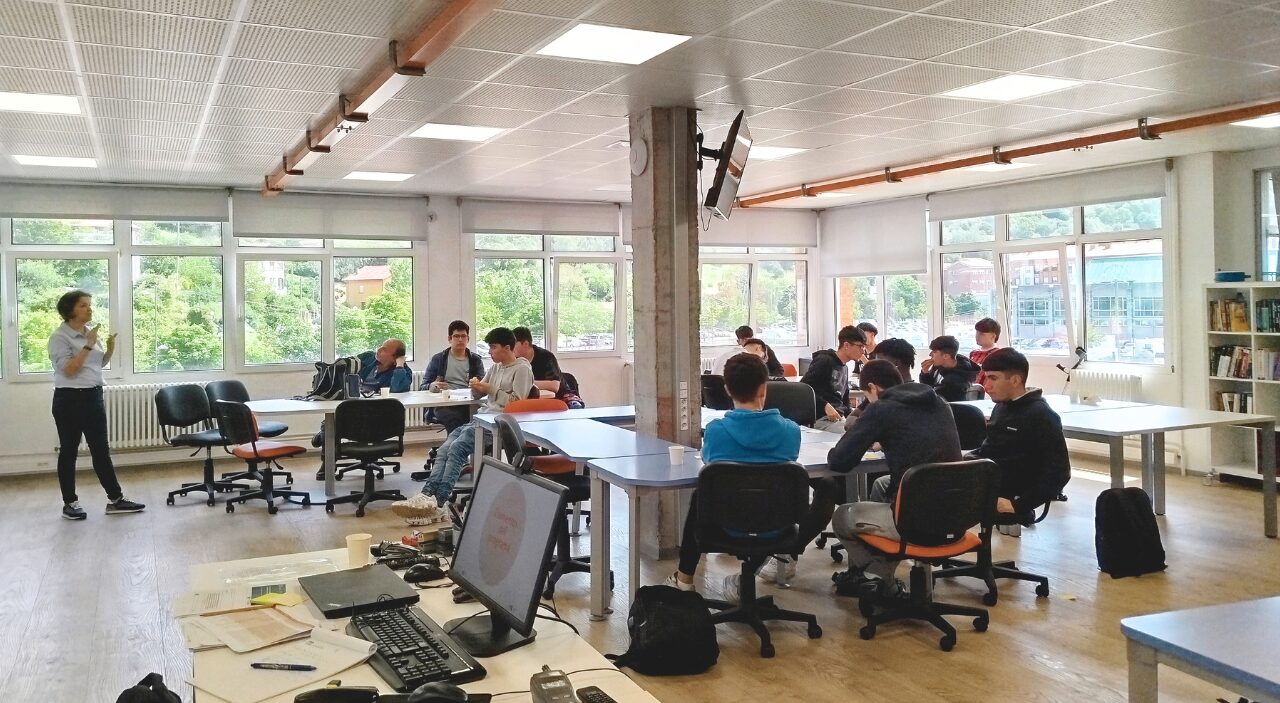
Biosistemak plays a strategic role in JACARDI, not only as the organisation representing the Basque Country, but also as co-leader of the work package focused on health literacy. In this capacity, the Institute supports 25 pilot projects across 13 European countries aimed at improving health literacy at both the individual and population levels, whilst also leading the implementation of this intervention in the Basque Country.
Informed decision-making
The JACARDI project tackles one of the major challenges in public health prevention and health promotion: equipping adolescents and young people with the tools to access, understand, evaluate and use health information, resources and services in their daily lives. Beyond the mere transfer of knowledge, health literacy involves empowering people to make informed decisions on issues such as diet, physical activity and the use of health services, which have a direct impact on their present and future health.
In this context, the JACARDI approach is committed to placing adolescents and young people at the centre of the process, through participatory methodologies that enable them to co-design and develop solutions and resources tailored to their real needs and interests. The project incorporates internationally recognised models, such as that developed by the World Health Organisation—the Ophelia methodology—which are based on co-creation with citizens and the integration of an equity perspective.
An equity-oriented approach
The work currently being carried out in the Basque Country has identified significant barriers to this sub-population’s access to and use of health information, such as difficulty in interpreting health-related content or information, information overload, and a lack of trust in certain sources. At the same time, the participatory process is facilitating the co-creation of tailored solutions, including new forms of communication, community initiatives and more accessible digital tools.
The project also places a strong emphasis on equity, recognising that social, economic and cultural determinants significantly influence the ability of adolescents and young people to adopt healthy habits. In this regard, the health literacy programme aims to ensure that the resources and services provided by Osakidetza are inclusive, accessible and transferable, helping to reduce health inequalities from an early age.
Throughout this process, the collaboration and participation of community organisations and bodies – including local council youth services, schools, vocational training centres and associations – is proving key to achieving genuine engagement with end-users from the very start of the proj .
The results obtained in the Basque Country will form part of the shared learning within the European JACARDI framework, helping to identify good practices that can be replicated or adapted in other contexts.
European Public Health Conference 2026
This work will also have a significant international impact. The progress made in the pilot project will be presented at the European Public Health Conference 2026 (EPH 2026), to be held in Bilbao from 11 to 13 November, through an oral presentation led by Irati Erreguerena, a researcher and European project manager at Biosistemak.
The presentation, entitled “Co-design of a youth-focused health literacy programme to address equity and the prevention of non-communicable diseases in the Basque Country”, presents the results of a research process that has combined a quantitative analysis of health literacy among more than 400 young people with an extensive co-design process involving over 140 participants, thereby consolidating a participatory approach to the development of health literacy programmes aimed at young people.