We present our research at ISPOR Europe 2026
Borja García-Lorenzo took part in a panel discussion on value-based care, and Ania Gorostiza presented preliminary findings on the ‘ ’ pathway for patients with multiple conditions at Osakidetza.
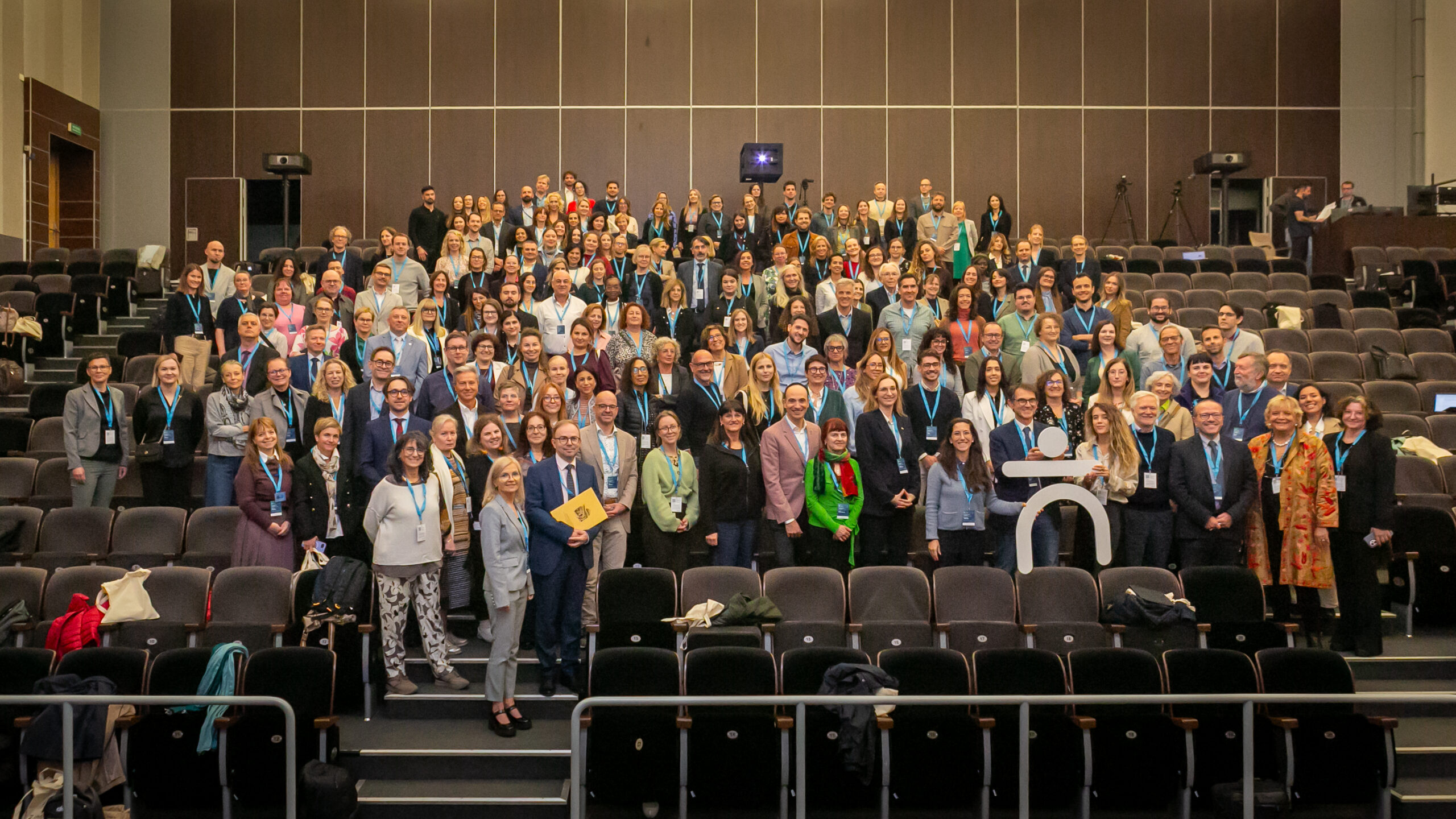
On 9, 10 and 11 November, Vienna hosted ISPOR Europe 2026, one of the leading international conferences in the field of Health Economics and Outcomes Research (HEOR), focusing on the evaluation of health outcomes, the efficiency of healthcare interventions and the improvement of evidence-based decision-making.
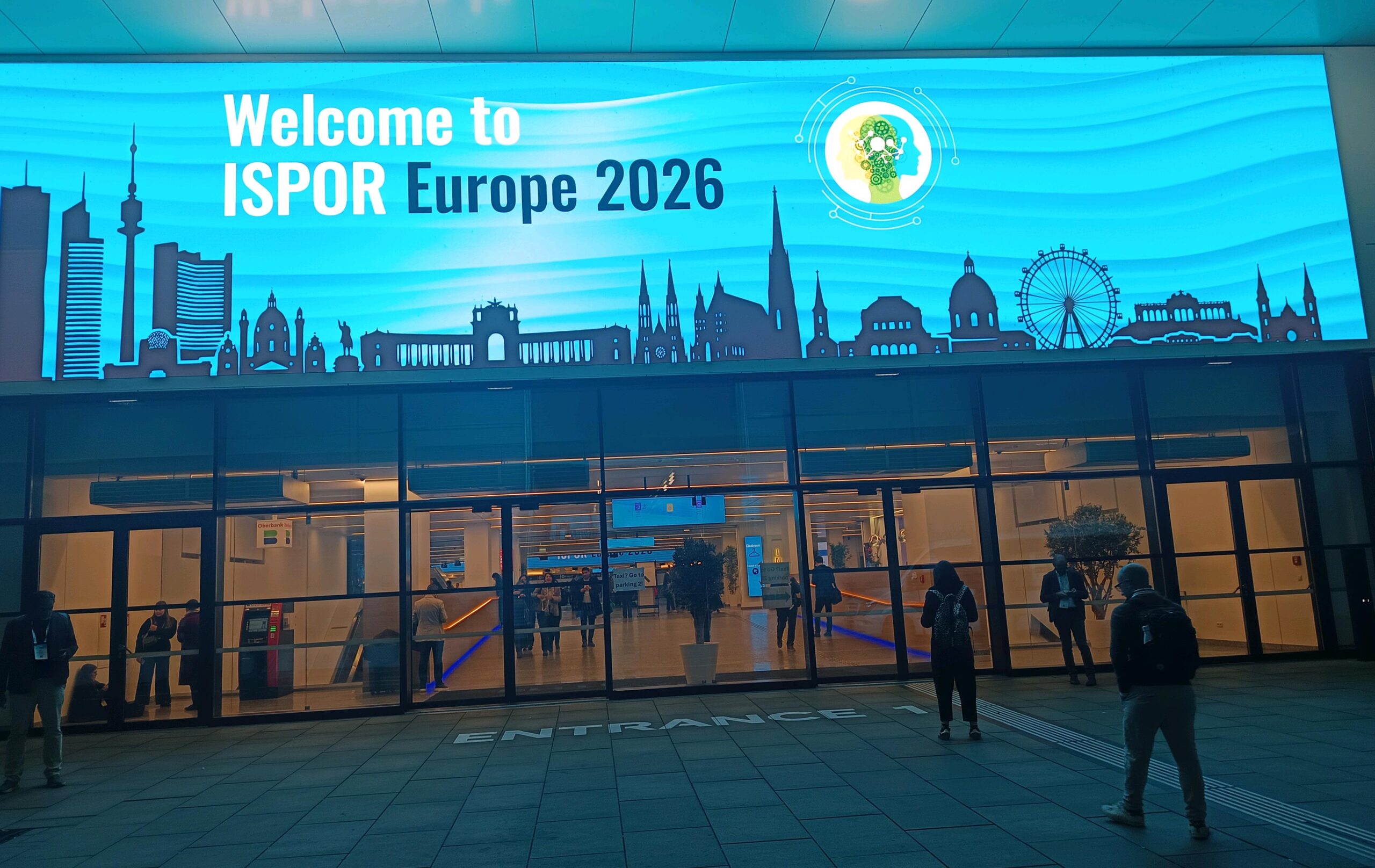
The event brought together research professionals, health policy-makers, regulatory bodies, health technology assessment organisations, healthcare providers and patient representatives to discuss some of the key challenges facing healthcare systems, such as economic evaluation, person-centred research, real-world evidence and the funding of healthcare innovation.
Representing Biosistemak were Borja García-Lorenzo, a health economist and principal investigator of the Value-Based Healthcare group, and Ania Gorostiza, a researcher specialising in biostatistics and mathematics, who shared updates on various research projects carried out by the Institute.
Value-Based Healthcare and Health Economics
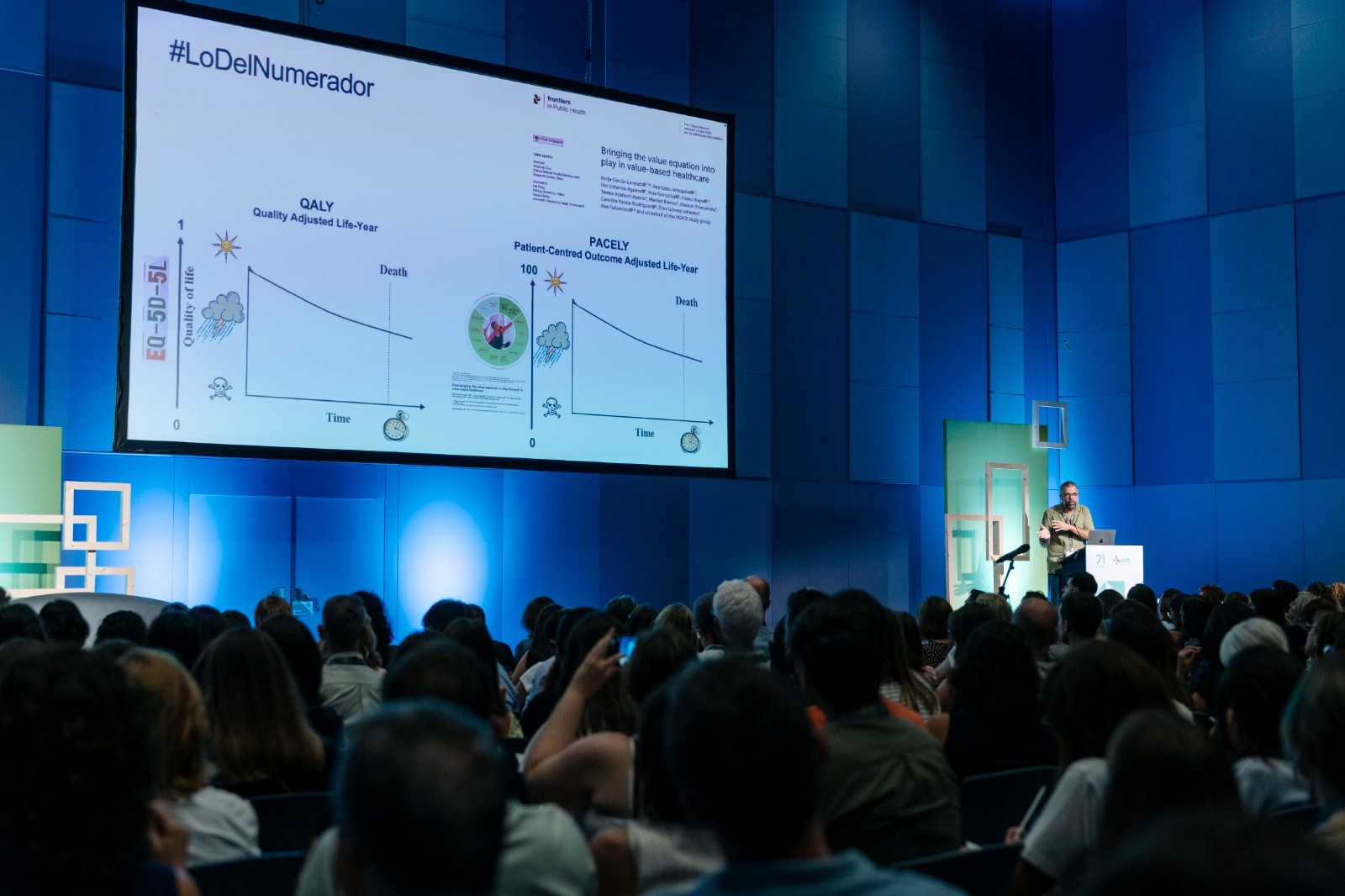
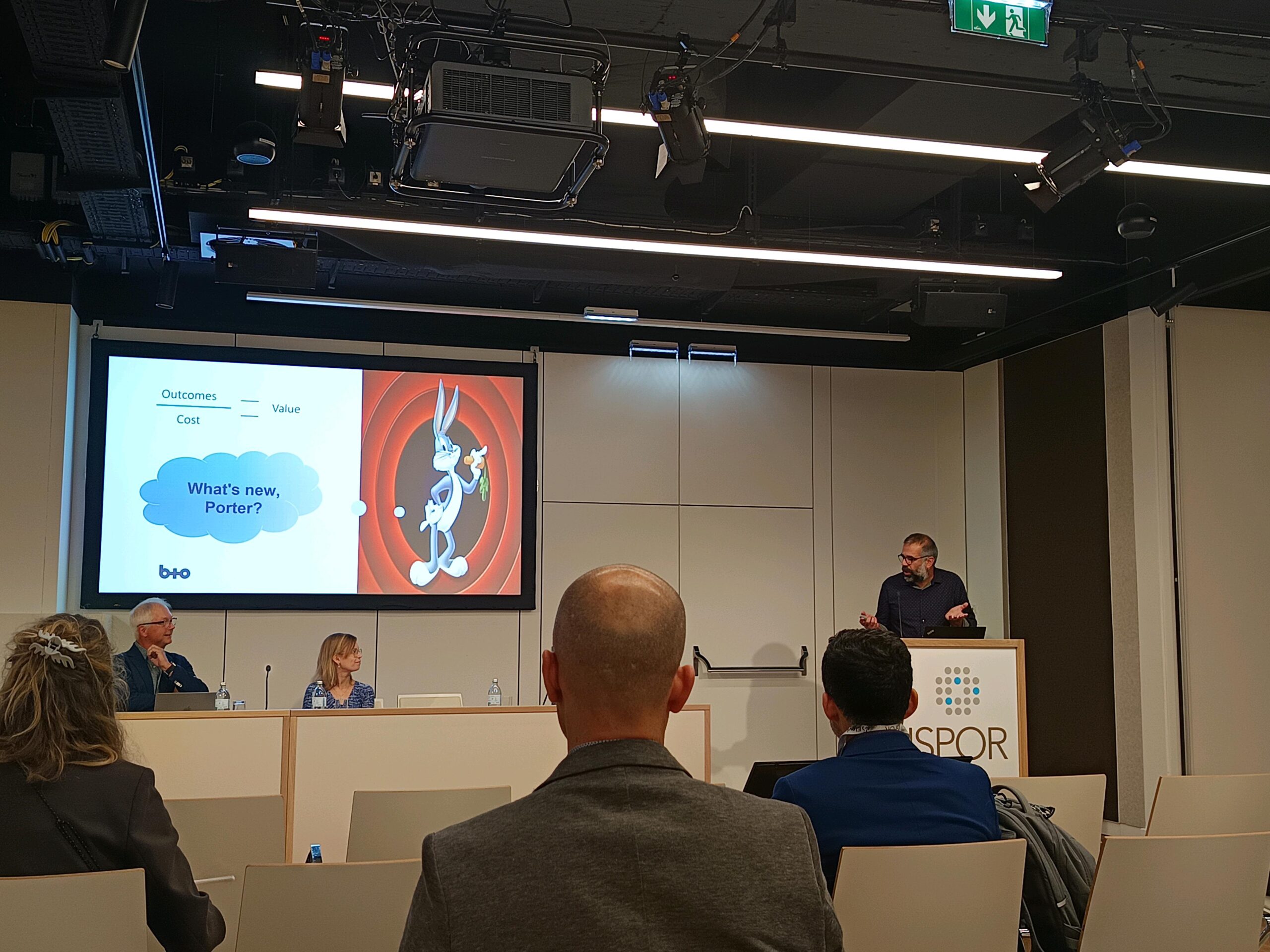
Borja García-Lorenzo spoke at the panel discussion ‘VBHC x HEOR: From Shared Principles to Better Decisions. Are We There Yet?’, which analysed the links between Value-Based Healthcare (VBHC), health economics and outcomes research.
The session brought together international specialists from European and US universities and research centres to discuss how to integrate the measurement of outcomes, costs and value more effectively into healthcare decision-making.
During his presentation, García-Lorenzo addressed how established health economics methodologies can help operationalise the concept of value within healthcare systems. He also analysed the potential of person-centred indicators, combined with survival measures and economic evaluation tools, to improve the assessment of healthcare system performance and support more informed decisions.
Assessing care for patients with multiple conditions at Osakidetza
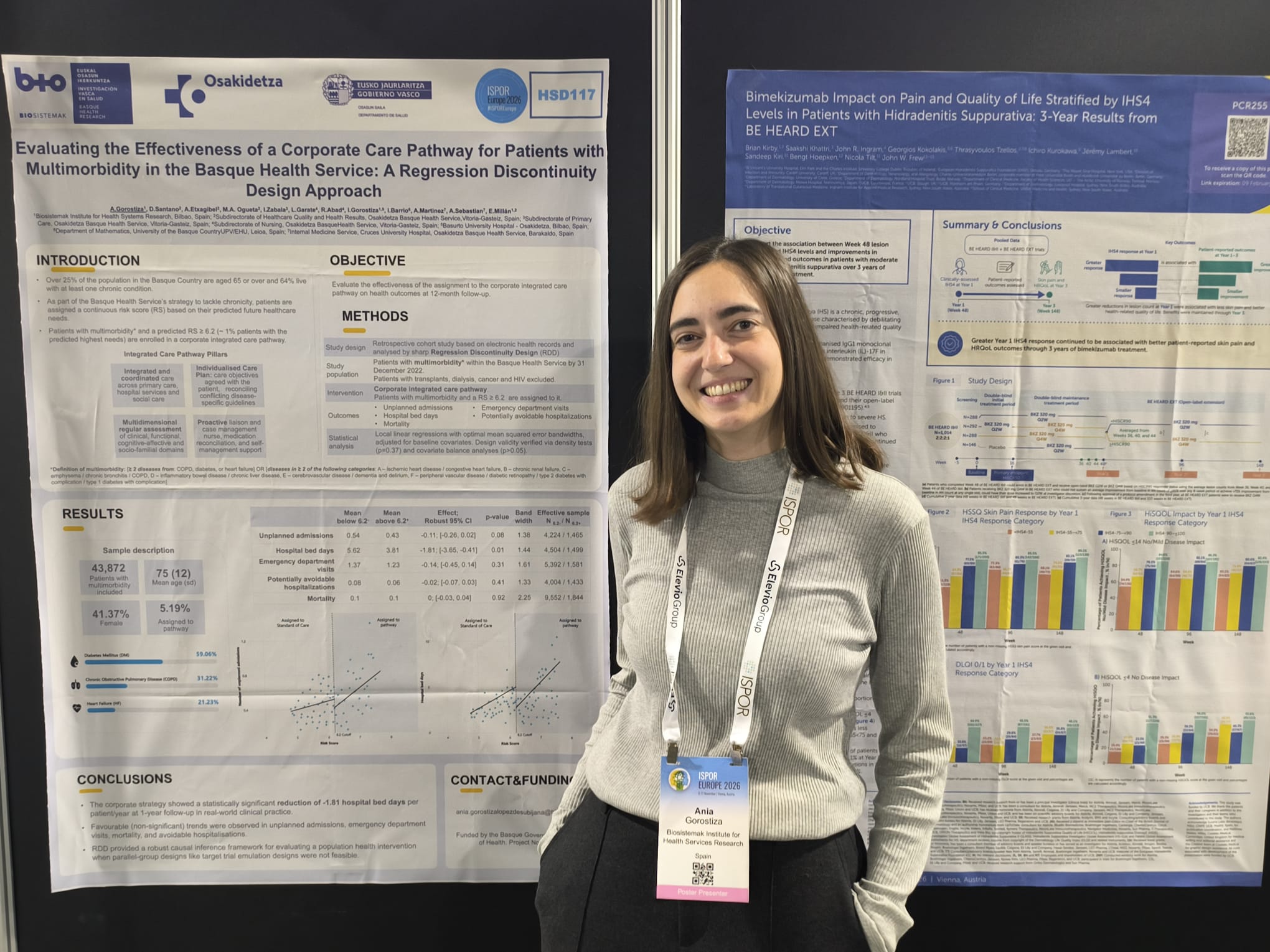
For her part, Ania Gorostiza presented a scientific poster with preliminary results from the project “Population-based risk stratification: Evaluation of the effectiveness of the corporate care pathway for patients with multiple conditions in the Basque Health Service”, funded by the Basque Government’s Department of Health.
The research analyses the effectiveness of the corporate care pathway aimed at patients with multiple conditions, one of the populations with the greatest healthcare needs and the highest risk of hospitalisation. The study assesses its impact on various health outcomes, such as hospitalisations, A&E visits and mortality.
Preliminary results show that this care pathway helps to keep patients at home for longer, reducing the hospital stay of patients included in the programme by an average of 1.8 days per year.
Led by Eduardo Millán, principal investigator of the Clinical Practice Data Reuse Group, the project aims to generate evidence to improve strategies for identifying, monitoring and caring for people with multimorbidity in the Basque Country.