The Institute at the European Public Health Congress in Bilbao
Biosistemak took part in scientific sessions and international activities relating to the transformation of health systems, mental health and value-based care.
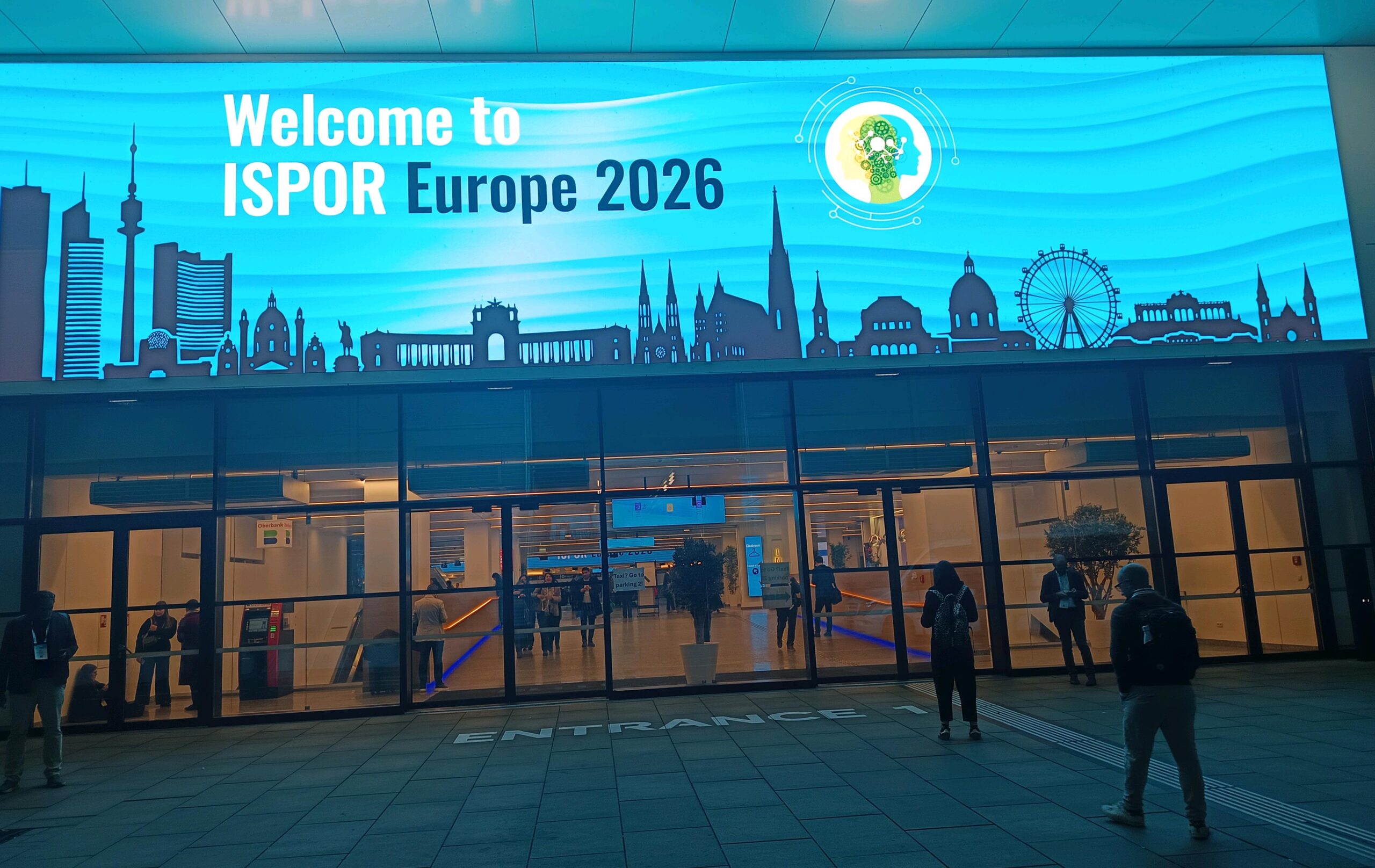
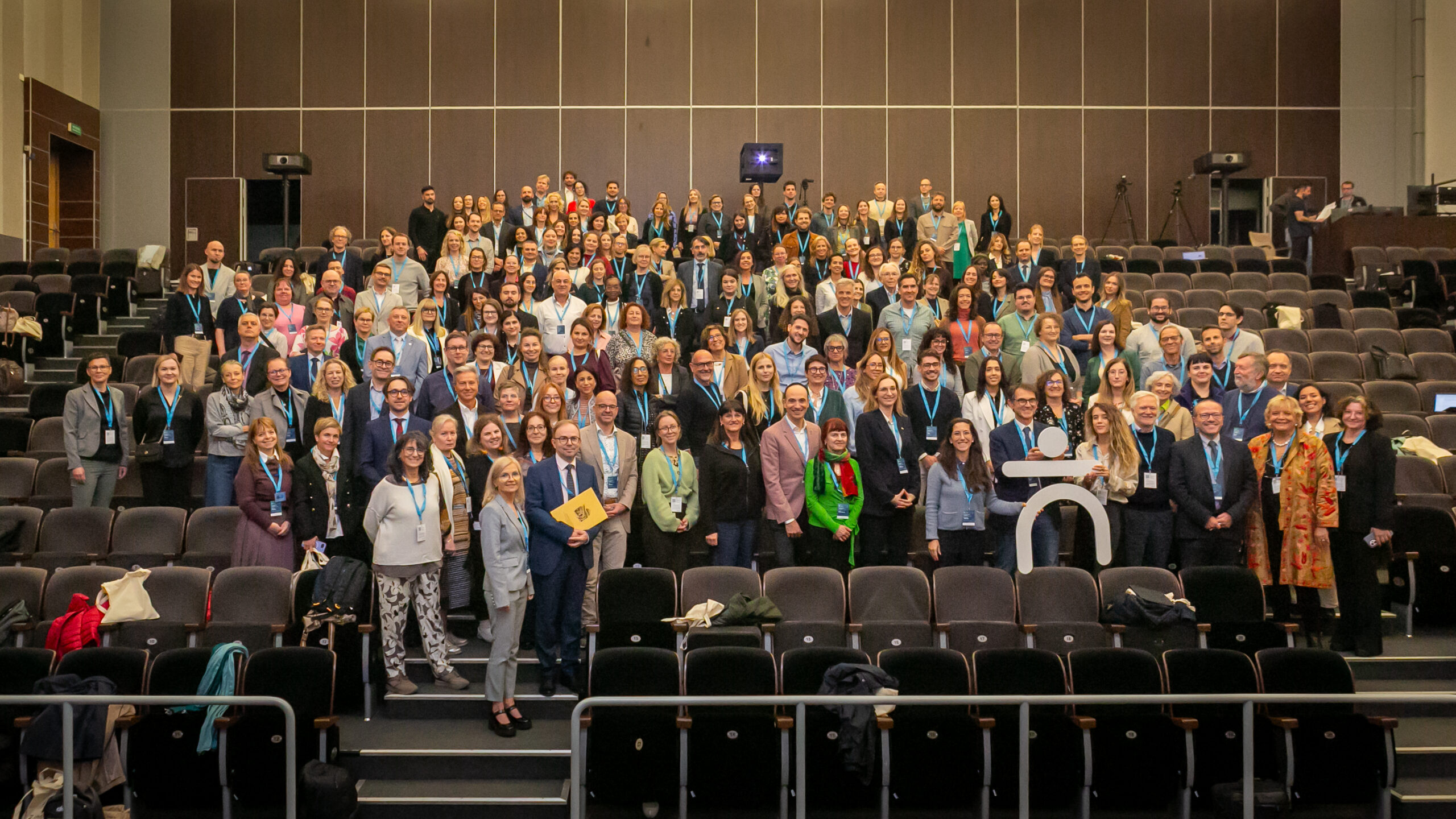
From 11 to 13 November, Bilbao hosted the 2026 European Public Health Conference (EPH Conference), one of the leading European events in the field of public health, which brought together research professionals, health policy-makers, managers, institutions and organisations from across Europe to discuss the main challenges and opportunities facing health systems.

The conference, organised by EUPHA, SESPAS and BIOEF, was held under the theme “Urban and global synergies: shaping the future of public health through climate resilience, equity and innovation”. Among other issues, it addressed the impact of climate change on health, equity in urban and rural settings, innovation in health systems, and the role of cities in building healthier and more sustainable communities.
Annual Conference of the European THCS Partnership
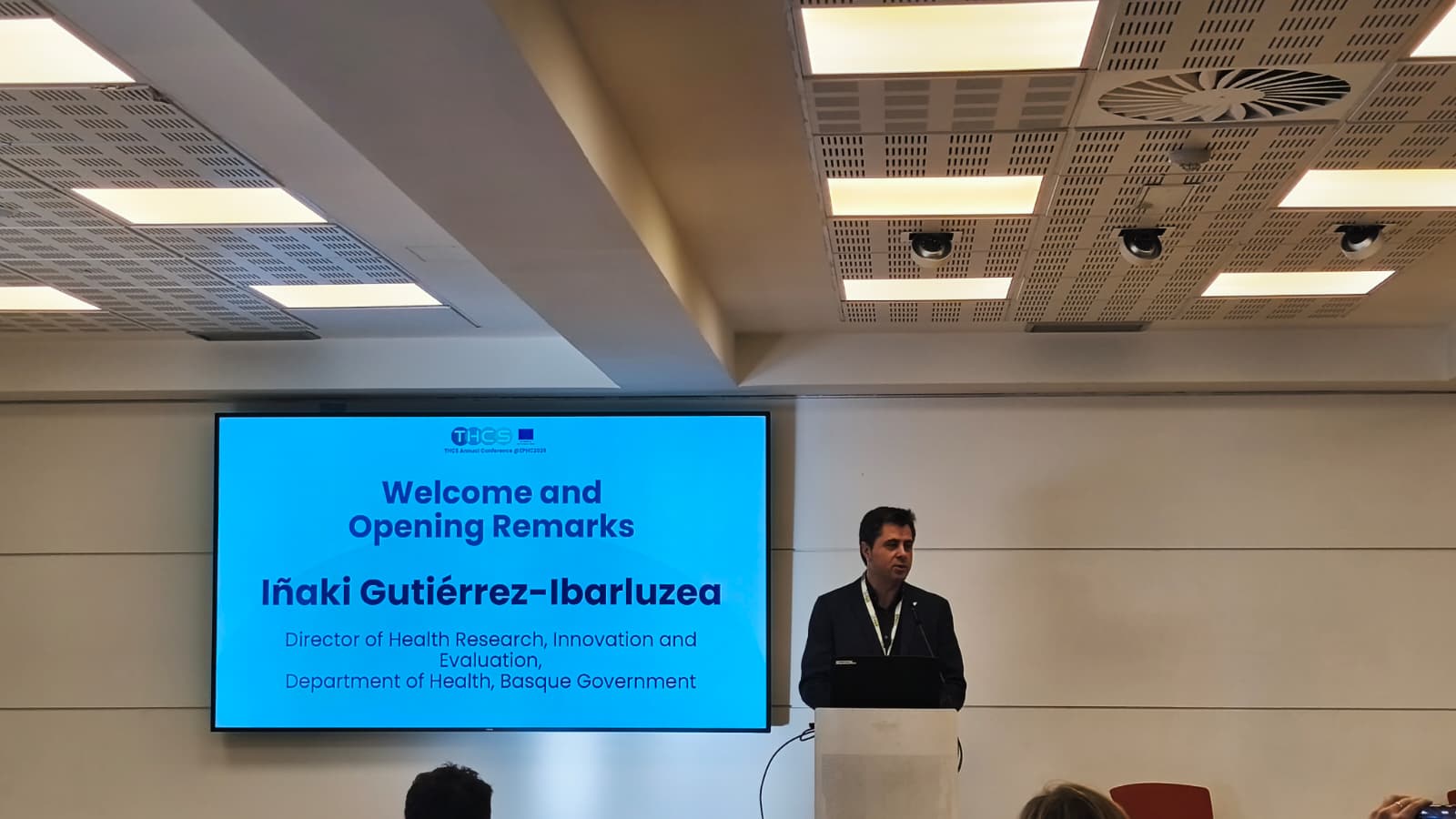
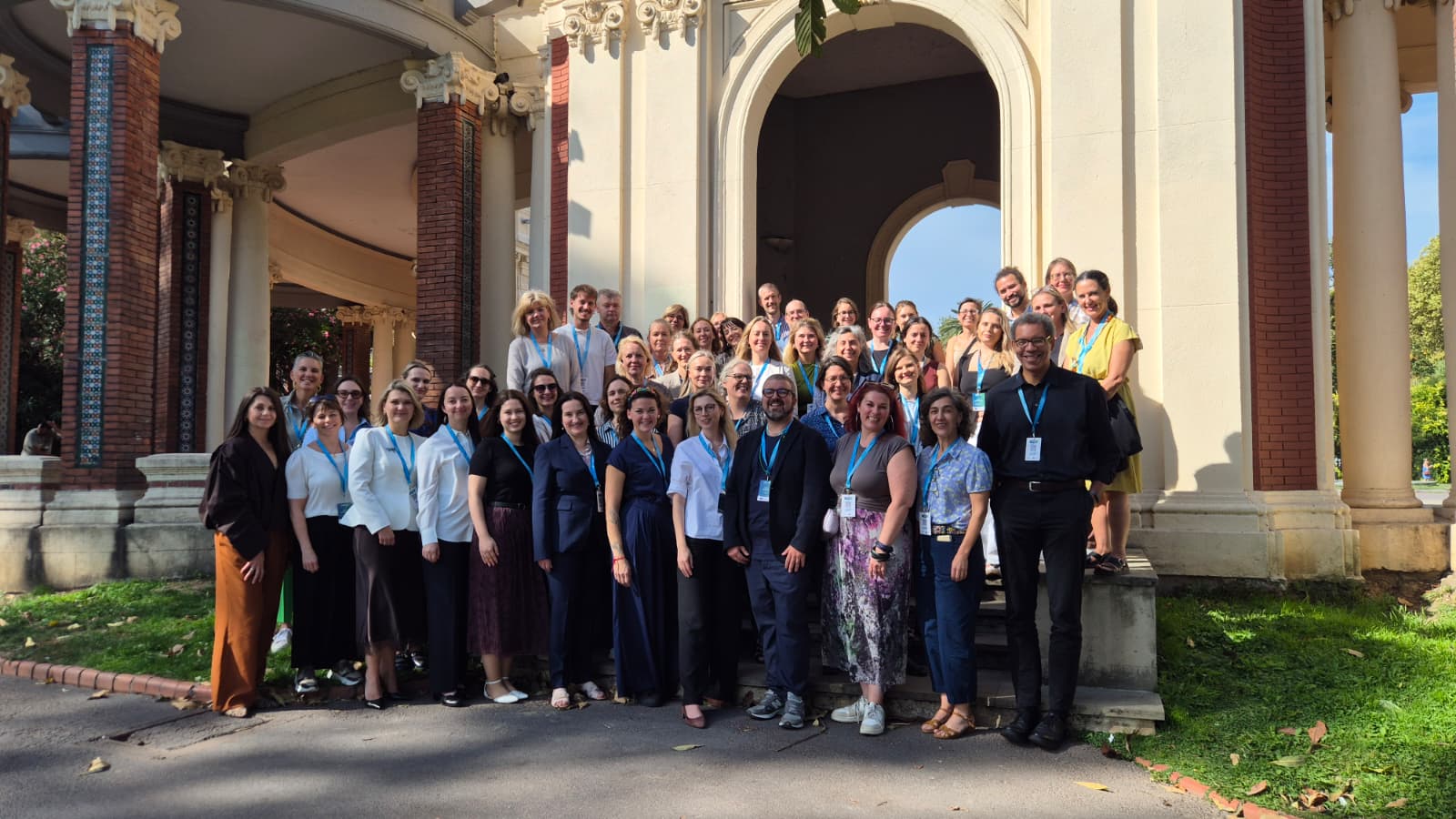
As part of the pre-conference programme for the European Public Health Congress, the Annual Conference of the European THCS Partnership took place, focusing this year on the transformation of health and care systems from three key perspectives: resilience to climate change, territorial innovation and equity.
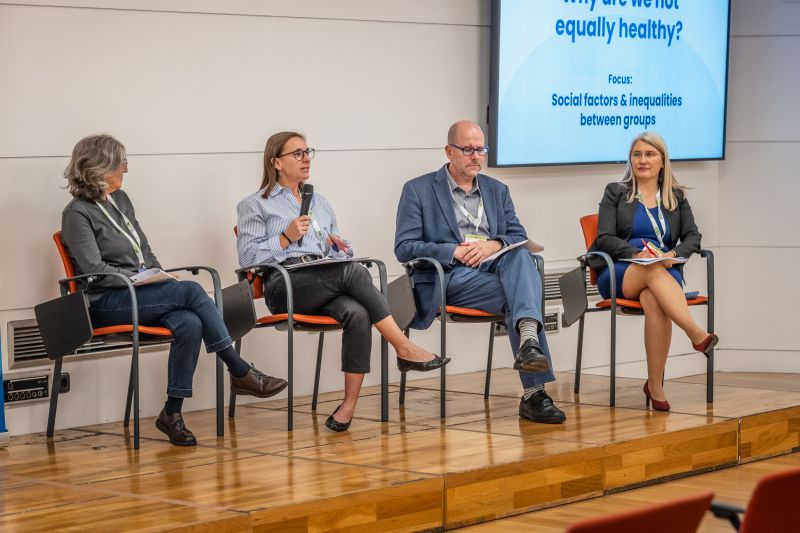
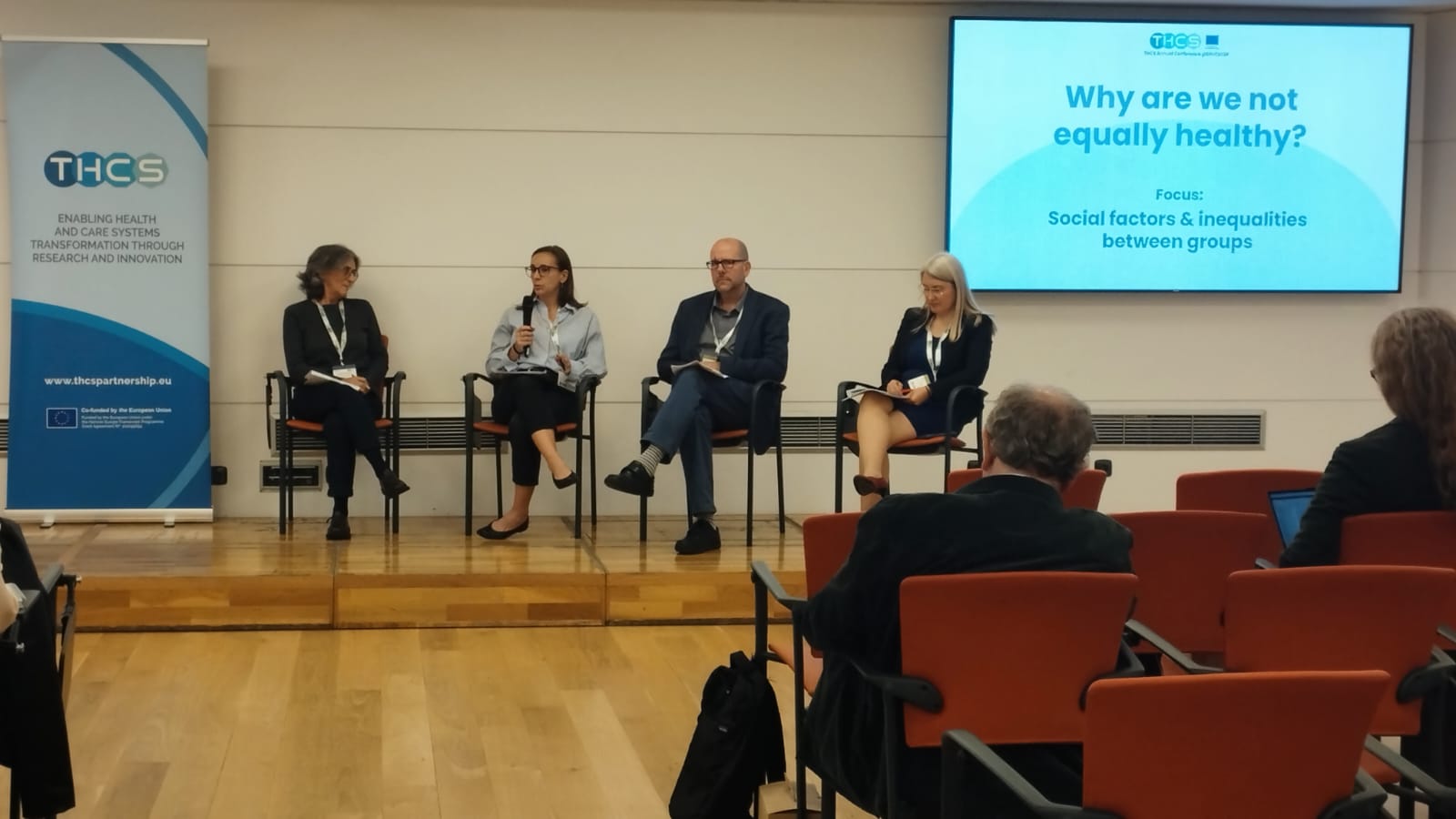
The Institute’s scientific director spoke at the conference’s third session, ‘Who benefits from the transformation? Equity, access and inclusion’, which analysed equity as a key element in driving meaningful and sustainable change in health and care systems. During the session, Ane Fullaondo shared the panel with Cristina Modoran, from the European Commission’s Directorate-General for Health and Food Safety (DG SANTE); Greg Martin, from the Health Service Executive in Ireland; and Carlotta Mozzana, from the University of Milan-Bicocca and coordinator of the European PRIME project. The discussion addressed issues relating to inequalities in access to care, the inclusion of vulnerable groups, digital equity, and the social and environmental determinants of health.
Discussing the transformation of health and care systems
In addition to their participation in the THCS Annual Conference, professionals from Biosistemak shared research and experiences relating to value-based care, chronic diseases, mental health and health literacy.
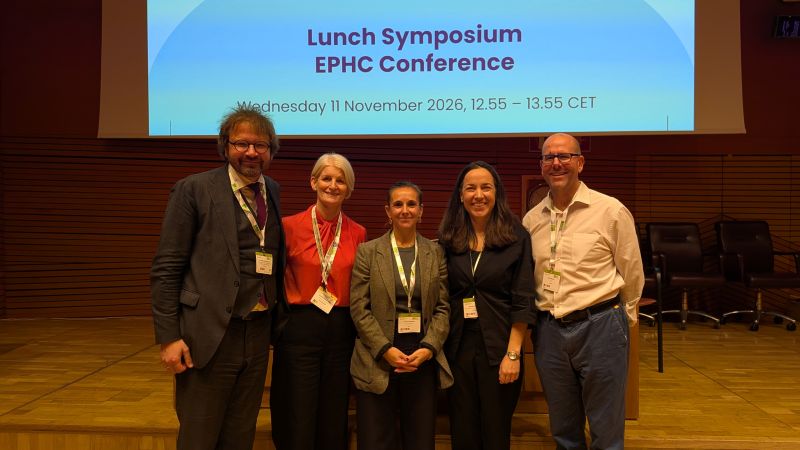
Our scientific director spoke at the symposium ‘What does the transformation of health and care systems mean to you?’, organised jointly by the European partnership Transforming Health and Care Systems (THCS) and the European Observatory on Health Systems and Policies.
Speakers at the panel included Donna Henderson, Head of International Relations at the Scottish Government; Dimitra Panteli, Head of Innovation at the European Observatory on Health Systems and Policies; Stephan Eichwalder, Director of the Health Systems Division at the Austrian Federal Ministry of Labour, Social Affairs, Health, Care and Consumer Protection; and Gregory Martin, Public Health Consultant at the Health Service Executive in Northern Ireland.
Similarly, Ane Fullaondo took part in the public dialogue ‘Bacteria and the planet, antimicrobial resistance and antibiotic therapy: in the context of climate change’, organised by Pfizer in collaboration with the Department of Health and Bilbao City Council at the Sociedad Bilbaína. The session brought together professionals, institutions and members of the public to reflect on the challenge posed by antimicrobial resistance and the need to promote the responsible use of antibiotics from a public health perspective.
Research and innovation to transform healthcare
As part of the congress’s scientific programme, within the field of chronic diseases, Yhasmine Hamu presented the poster “ : Transforming heart failure care in the Basque Country through value-based integrated care ”, developed within the framework of the European Joint Action JACARDI. The study describes the implementation of an integrated care pathway for patients with heart failure across the 13 Integrated Healthcare Organisations of Osakidetza, based on the principles of integrated care and value-based care.
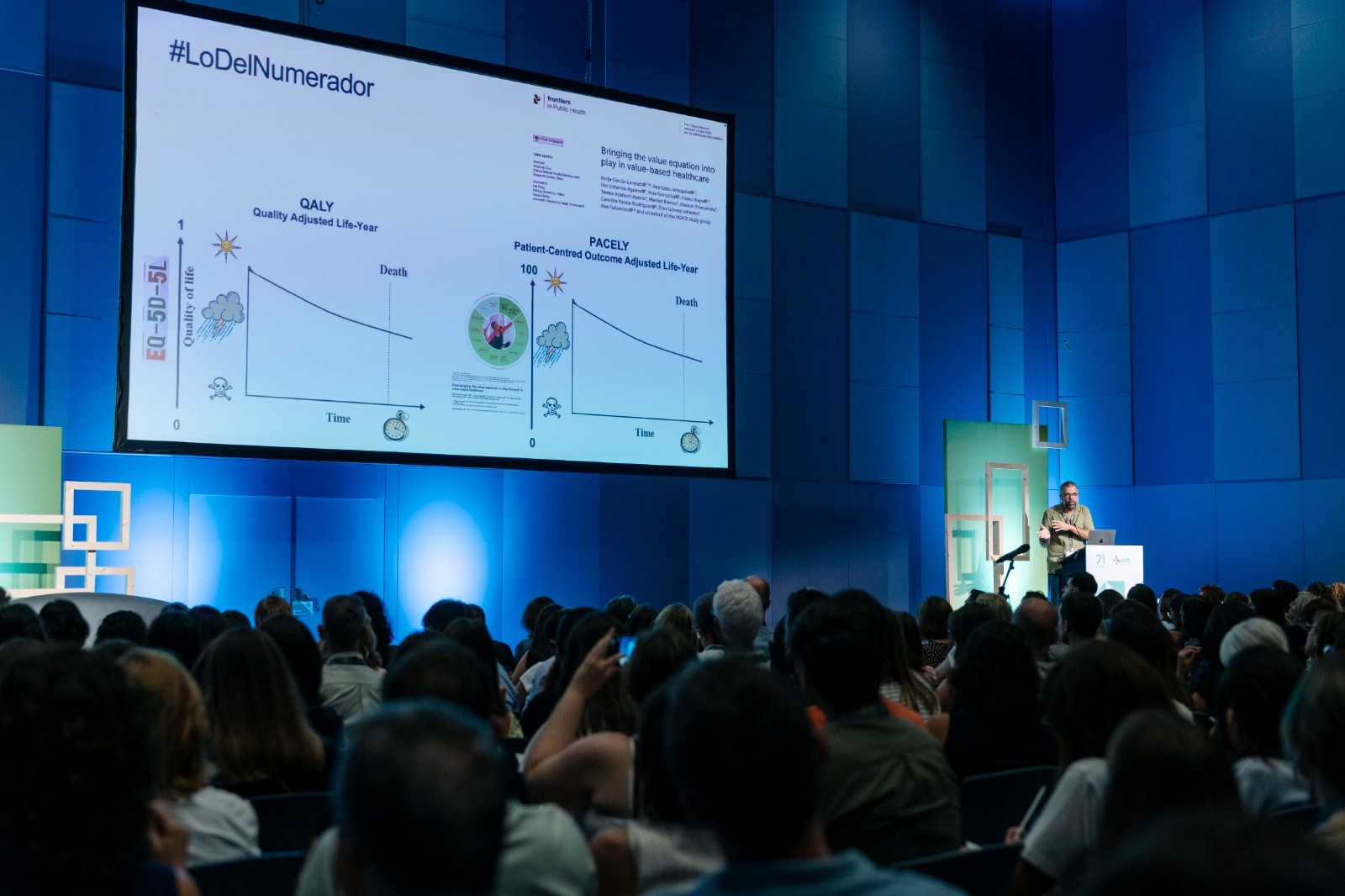
For his part, Borja García-Lorenzo took part in the round-table discussion “De-implementation in healthcare: from evidence to practice in real-world settings”, which focused on analysing strategies to reduce low-value healthcare practices and promote a more efficient use of resources. The session brought together international specialists in health economics, health services research and value-based care to discuss how to translate scientific evidence into sustainable changes in clinical practice.
Irati Erreguerena also presented the oral paper ‘Co-designing a youth health literacy programme for equity and NCD prevention in the Basque Country’, which focused on the participatory design of initiatives to improve health literacy amongst young people and contribute to the prevention of non-communicable diseases from an equity perspective.
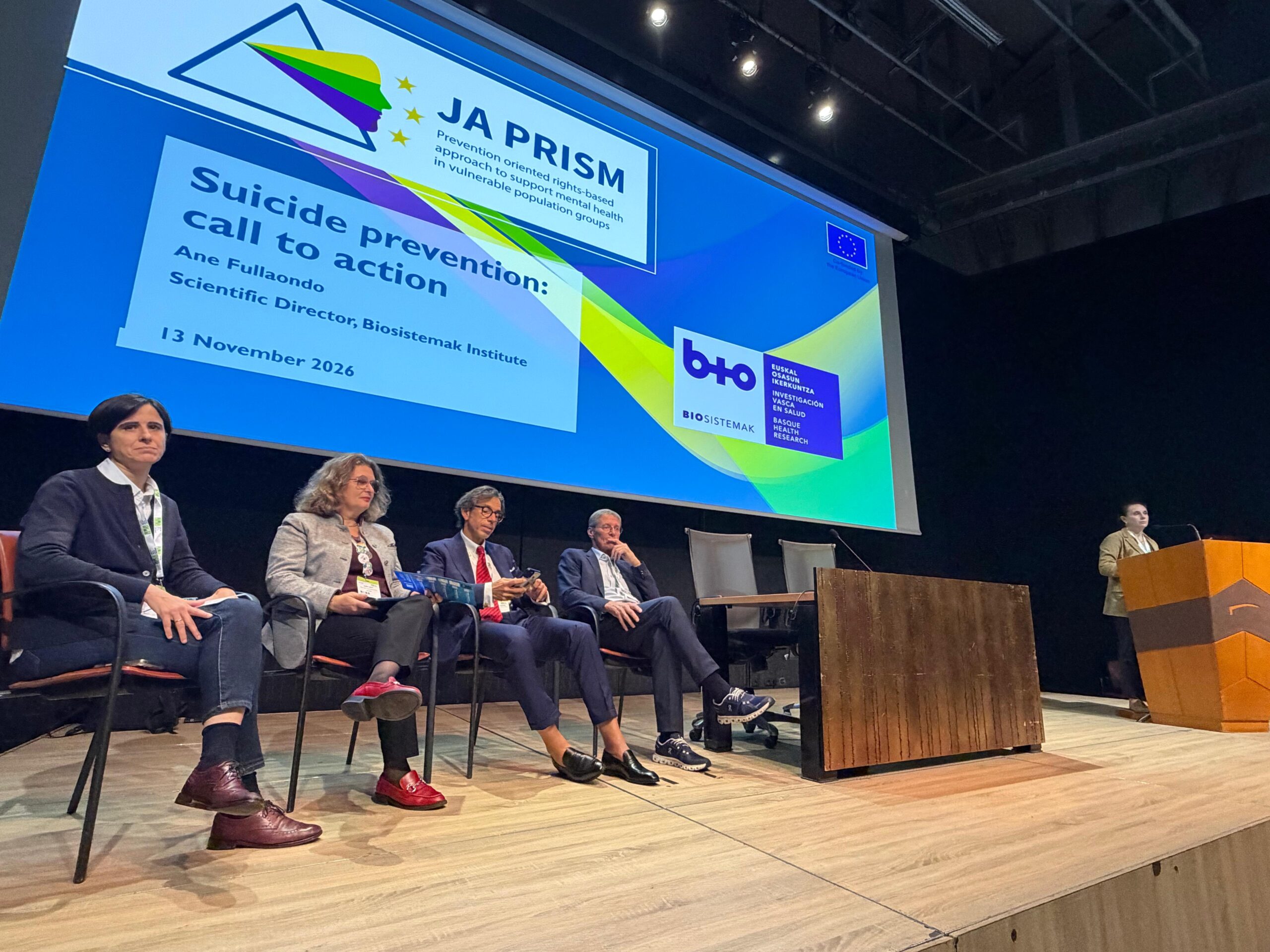
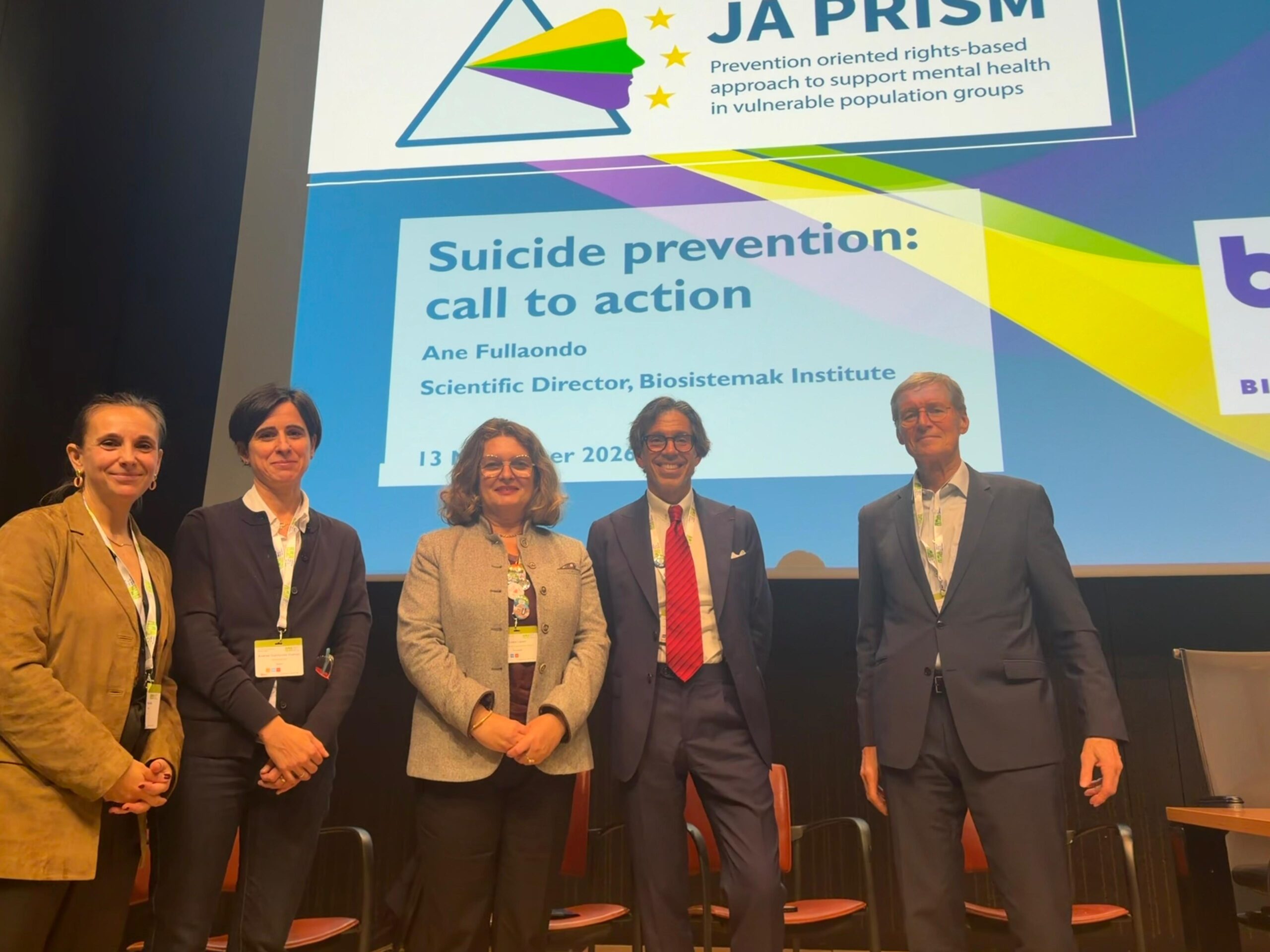
Finally, as part of the conference, the Basque Government’s Department of Health and Biosistemak organised an international session focusing on suicide prevention, which brought together representatives from the World Health Organisation (WHO), the European Commission, the European Alliance Against Depression (EAAD) and Osakidetza to share experiences and strategies for action.
During the session, among other initiatives, Osakidetza’s BIZI programme was presented – a community-based suicide prevention initiative that is being adapted and rolled out in various European contexts through JA PRISM (a European Joint Action aimed at promoting mental health and coordinated by the Institute).