At the European Public Health Congress, Biosistemak is organising an international session bringing together leading figures from the WHO, the European Commission, the European Alliance Against Depression and Osakidetza.
Osakidetza’s BIZI programme, developed in the Basque Country to train community workers in suicide prevention, is presented as an example of good practice with the potential for wider implementation across Europe.
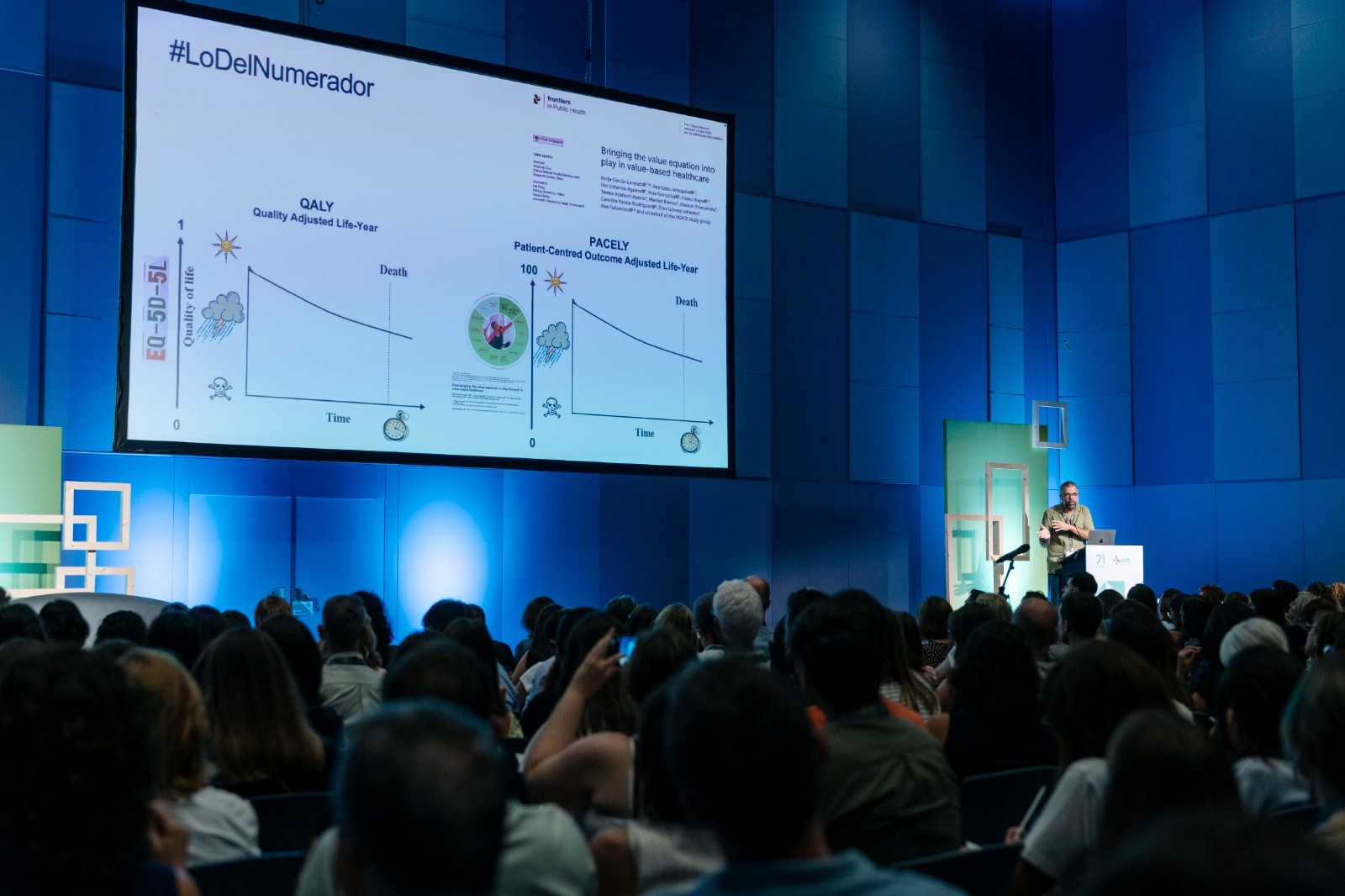
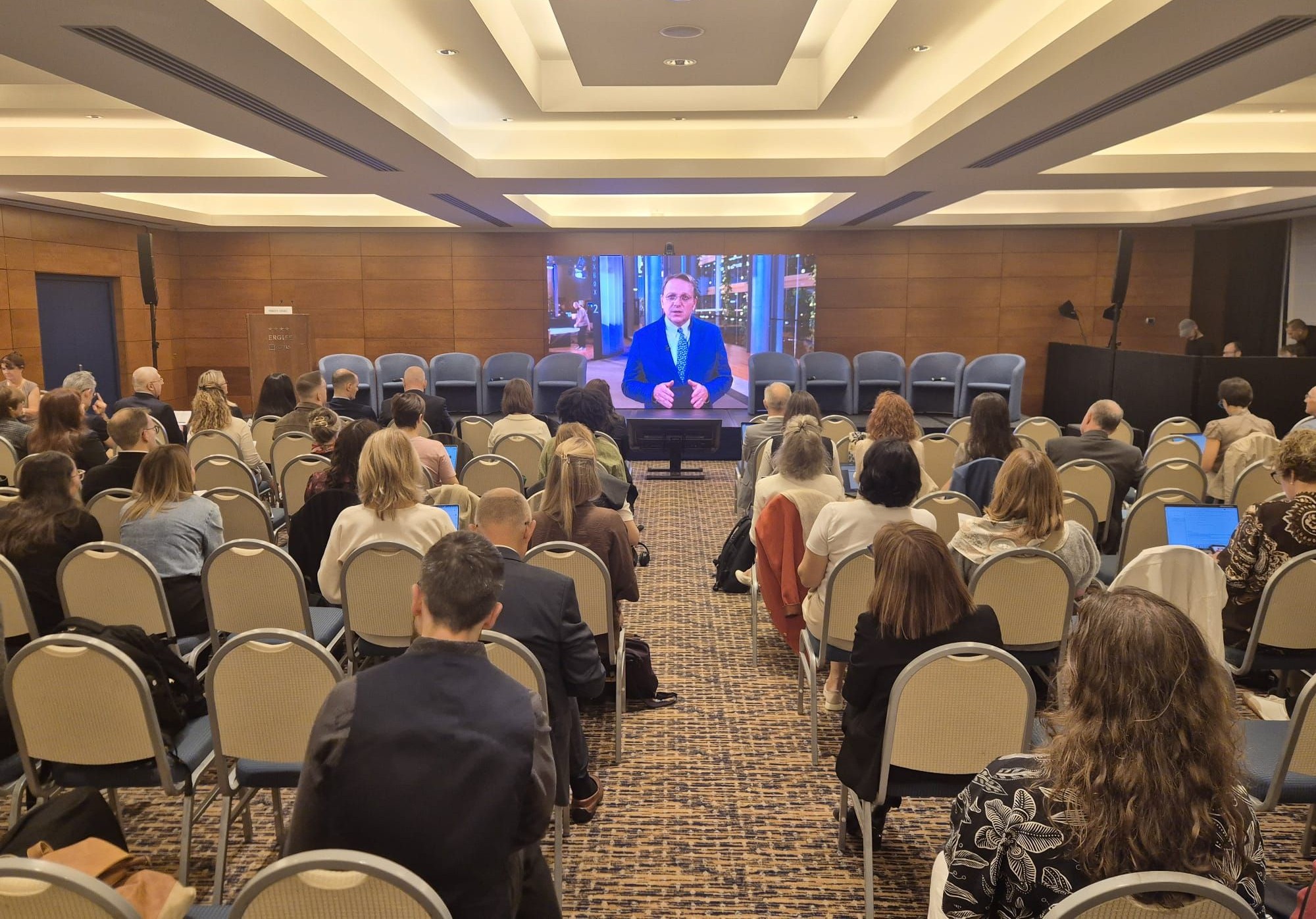
Bilbao today hosted the international session ‘Suicide prevention: a call to action’ as part of the European Public Health Conference (EPH Conference). This event, organised by the Basque Government’s Department of Health through our Institute, brought together representatives from the World Health Organisation (WHO), the European Commission, the European Alliance Against Depression (EAAD) and Osakidetza to analyse the most effective strategies for suicide prevention.
The session, which took place at the Euskalduna Palace and was moderated by Biosistemak’s scientific director, Ane Fullaondo, brought together institutional leaders, professionals and international experts to share experiences that will enable scientific evidence to be translated into public policies and community actions with a real impact.
Suicide is a major global public health problem. Every year, more than 720,000 people worldwide die by suicide, and it is estimated that for every death there are around twenty attempts. Although there is a close link between suicide and certain mental health disorders, many cases occur in the context of life crises associated with factors such as loneliness, social isolation, financial difficulties, chronic illness, or situations of violence and discrimination.
A coordinated response from Europe
Among those taking part were Ledia Lazeri, Head of Mental Health at the WHO Regional Office for Europe; Georgios Margetidis, from the European Executive Agency for Health and Digital (HaDEA); Ulrich Hegerl, President of the European Alliance Against Depression (EAAD); and psychiatrist Andrea Gabilondo, Director of the Osakidetza Mental Health Network in Gipuzkoa and a leading figure in suicide prevention in the Basque Country.
The session provided an opportunity to analyse initiatives backed by scientific evidence, such as the WHO’s LIVE LIFE guidelines, which propose four priority interventions: restricting access to means of suicide; promoting responsible media coverage; strengthening the socio-emotional skills of adolescents; and identifying and providing early support to those at risk. The experience of the European Alliance Against Depression (EAAD) was also presented; its community-based intervention model is implemented in over 120 regions worldwide and is recognised as a European best practice in mental health for combining professional training, social awareness-raising, community involvement and direct support for those affected.
Suicide prevention: a priority for the Basque Country in line with the Basque Health Pact
The prevention of suicidal behaviour is a strategic priority for the Basque Government’s Department of Health and for Osakidetza. Over the last two decades, the Basque Country has promoted various initiatives in research, awareness-raising, training and care provision aimed at improving the early detection of suicide risk and strengthening preventive responses across multiple sectors.
The Basque Country’s Suicide Prevention Strategy identifies the need to raise social awareness, reduce the stigma associated with suicide and train key community stakeholders to recognise warning signs and facilitate access to specialised support services.
BIZI: a Basque innovation for community-based suicide prevention
One of the most notable examples of this commitment is BIZI, a programme launched by Osakidetza which is presented during the session as an innovative example of community-based prevention. BIZI stems from the experience gained in the Basque Country through training programmes for ‘guardians’ – people who, due to their professional or community roles, are in regular contact with vulnerable groups and can play a vital role in the early identification of suicide risk.
The programme was created in response to the need to ensure sustainable and accessible training for non-healthcare professionals and community workers. It took the form of a free, short, self-guided online training course, designed to improve the knowledge, attitudes and confidence of those who may come into contact with people in vulnerable situations.
Its development is based on international scientific evidence regarding suicide prevention programmes and the training of community guardians, and incorporates the experience previously gained in the Basque Country by the Gipuzkoa Mental Health Network and the European Alliance Against Depression.
The results of its evaluation show significant improvements in knowledge, self-efficacy and the ability to act in high-risk situations, as well as high levels of participation and satisfaction. Thanks to these features, BIZI has established itself as an innovative tool that democratises access to training in suicide prevention and broadens its reach within community settings.
This initiative also forms part of the Basque Health Pact, which promotes a more preventative, community-based and person-centred healthcare model. By training social and community workers to recognise warning signs and facilitate access to support, BIZI helps to improve the early detection of suicide risk, reduce stigma and strengthen mental health within the community, in line with the Basque Country’s strategic priorities.
A call to action, from the Basque Country to Europe
The international interest generated by this initiative has led to the BIZI programme becoming part of the European Joint Action JA PRISM, coordinated at European level by Biosistemak, where it is being adapted to different contexts and will be implemented on a large scale in six European locations. This transfer of knowledge positions the Basque Country as a European leader in the search for innovative solutions to tackle the challenges of mental health and suicide prevention, and contributes to the development of more effective, sustainable and person-centred strategies.
The key message of this international session is that suicide prevention requires coordinated responses that combine public policy, health services, community action and the reduction of stigma.
The event in Bilbao thus serves to strengthen collaboration between European institutions, international organisations and health systems, and fosters a shared commitment to moving towards societies that are better equipped to prevent suicide and protect the mental health of their citizens.