Rome hosts the JANE-2 General Assembly at the halfway point of the project
The meeting brought together organisations from 29 countries to review the progress made by the seven cancer Networks of Expertise and to continue working on their long-term sustainability.
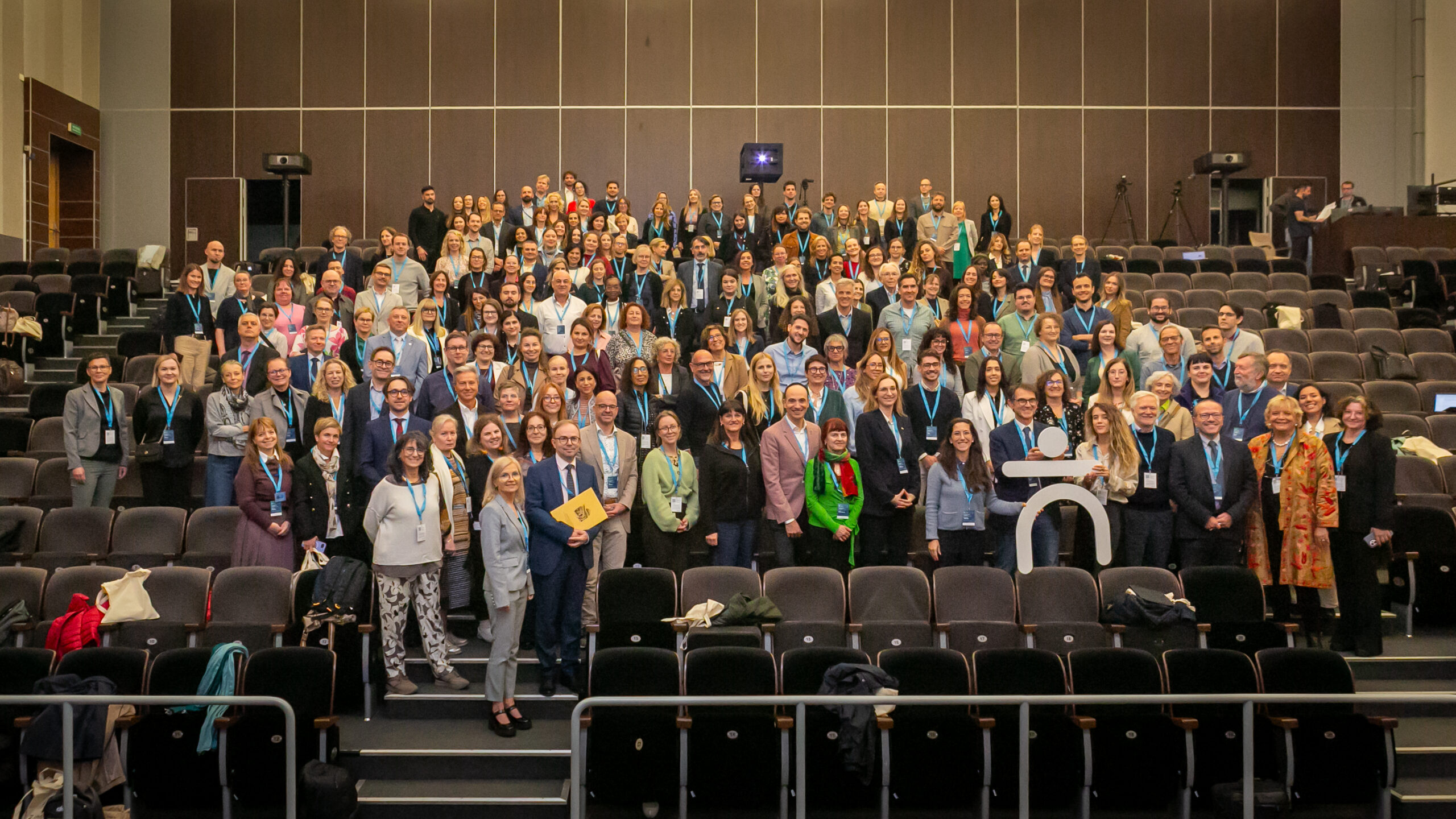
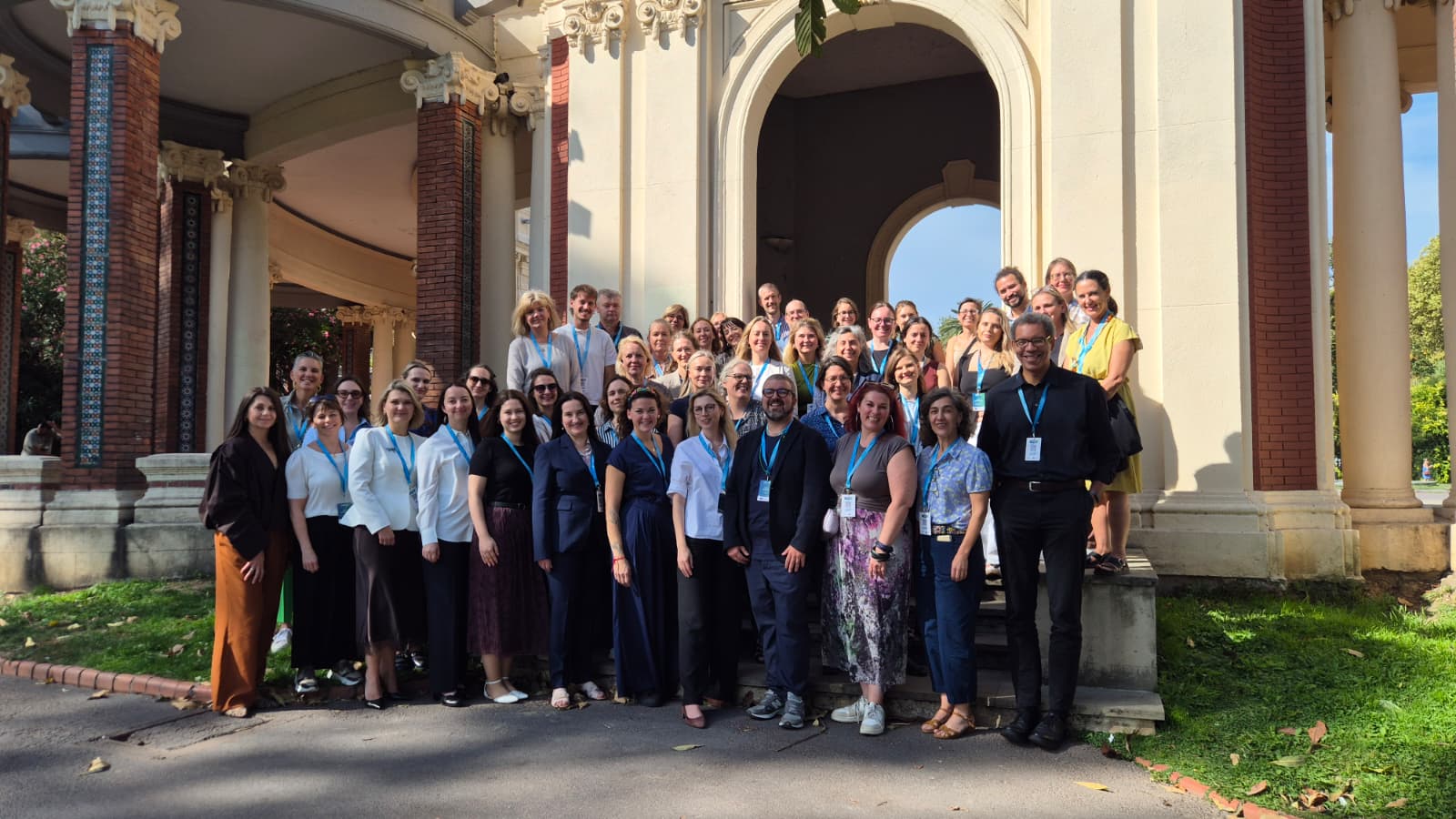
From 7 to 9 October, Rome hosted the JANE-2 (Joint Action on Cancer Expertise Networks) General Assembly, a European Joint Action launched under the European Plan to Combat Cancer and co-funded by the European Union through the EU4Health programme.
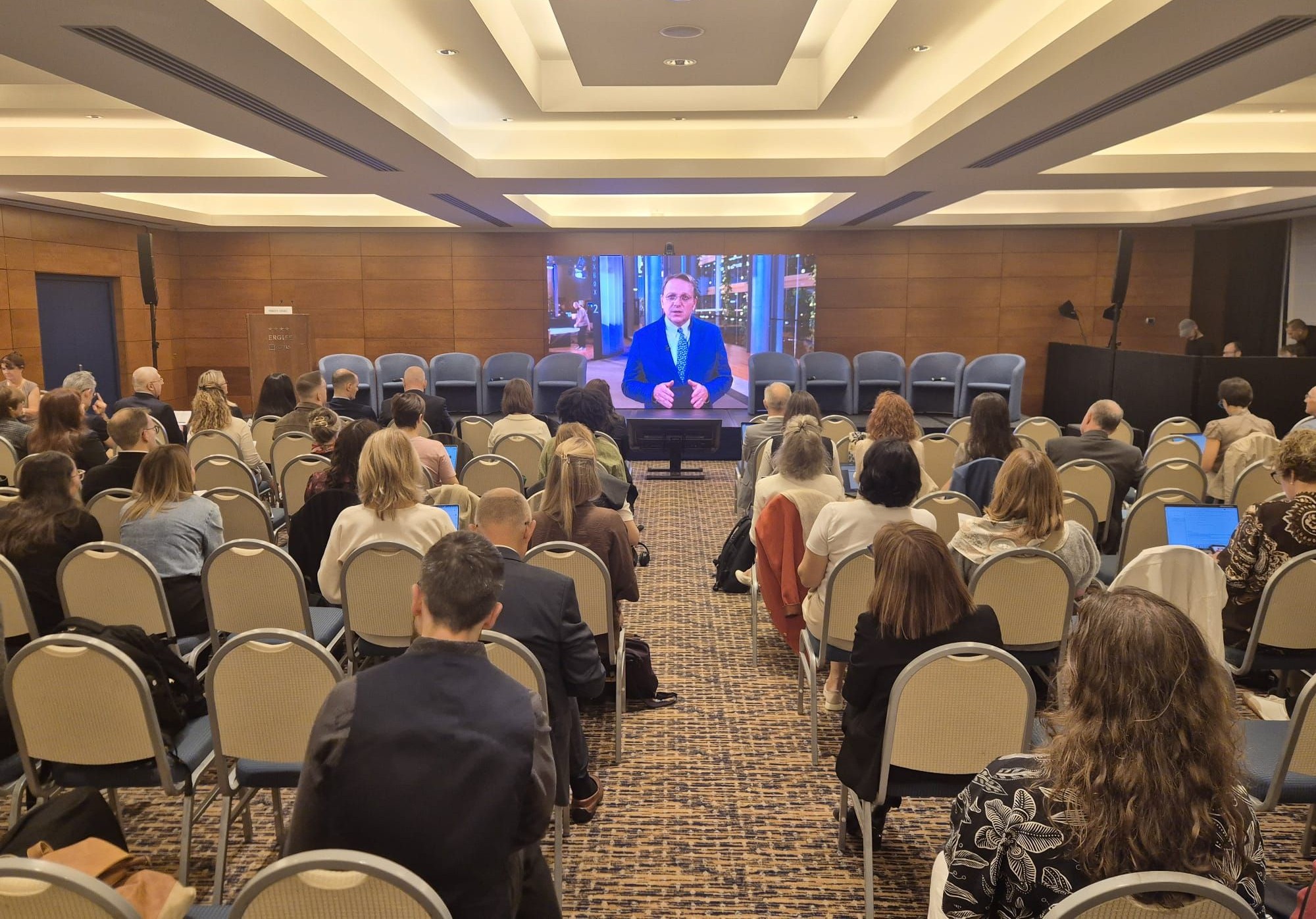
The meeting brought together healthcare professionals, researchers, patient representatives, public policy makers and partner organisations from across Europe to share the progress made since the project’s launch in January 2025 and to define the next steps for an initiative that aims to strengthen European collaboration in the field of cancer.
Coordinated by the Fondazione IRCCS Istituto Nazionale dei Tumori in Milan, JANE-2 brings together 121 partner organisations from 29 European countries with the aim of consolidating seven Networks of Expertise (NoEs) in strategic areas of cancer care: complex and poor-prognosis cancers, palliative care, survivorship, personalised primary and secondary prevention, omics technologies, high-tech medical resources, and care for adolescents and young people with cancer.
Review of the first year and next steps
The General Assembly marked the halfway point of the project and provided an opportunity to review the progress made by the seven Networks of Expertise, share experiences amongst the various working groups and explore new opportunities for collaboration with other European initiatives.
The sessions highlighted the importance of these networks in connecting professionals and organisations from different countries and disciplines, facilitating the exchange of knowledge and the creation of shared solutions to some of the main challenges in cancer care.
The meeting also highlighted the role of the Networks of Expertise as platforms for driving innovation, fostering mutual learning and strengthening collaboration between professionals, organisations and health systems across different countries.
Over the course of the three days, key aspects for the future of the networks were discussed, particularly those relating to their sustainability, their impact on the European oncology community and their capacity to continue generating value beyond the duration of the project.
Working to ensure the continuity of the networks
Biosistemak plays a strategic role in JANE-2 as the leader of the Sustainability work package (WP4). The aim of this work package is to ensure that the Networks of Expertise continue their activities once the Joint n Action has concluded. To this end, the team is working to identify the various stakeholders and relevant organisations within each network, to define value propositions and service portfolios tailored to their needs, and to develop organisational and financial models that ensure their long-term viability.
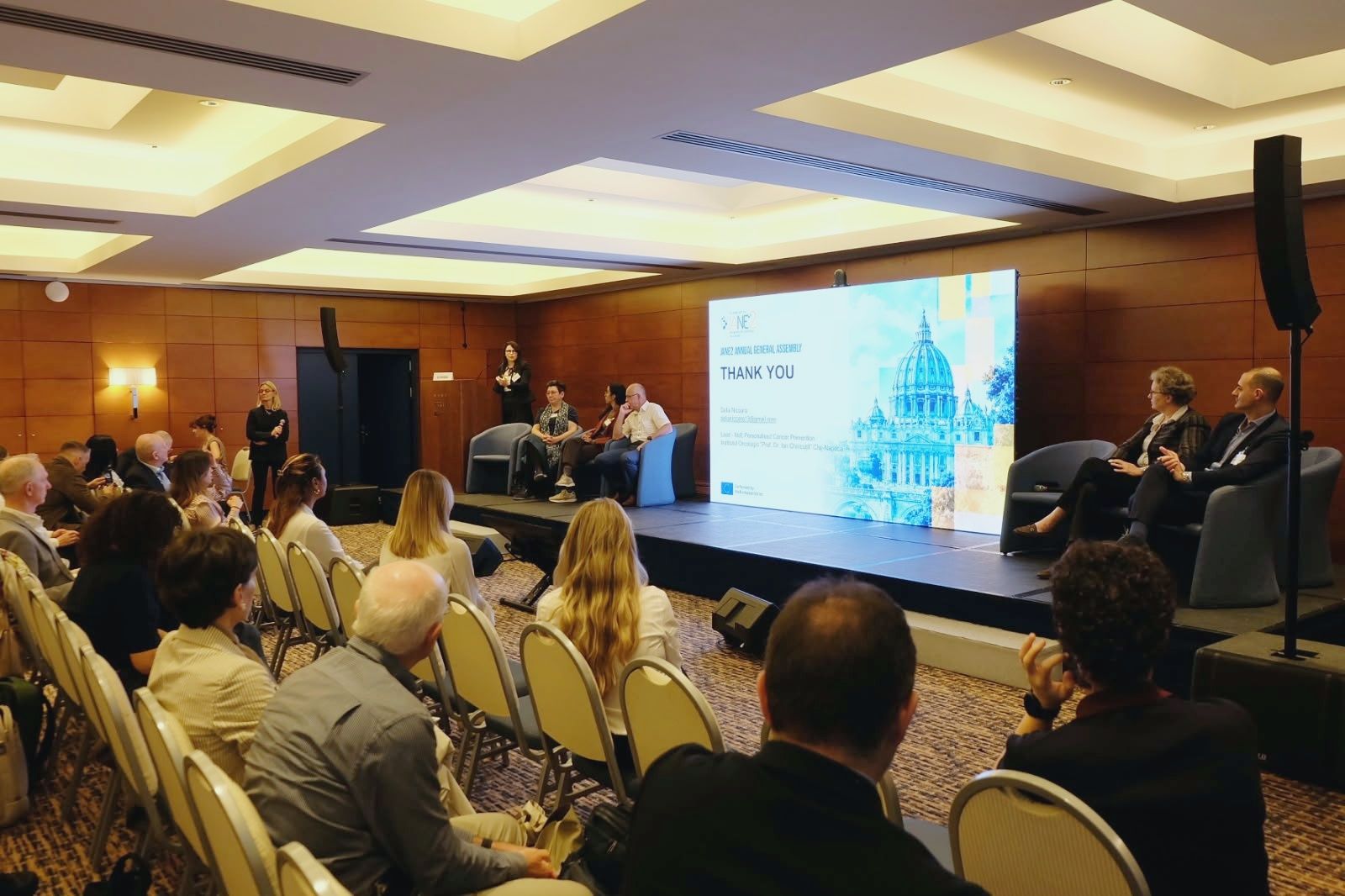
During the General Assembly, progress made in these areas of work was shared, including the completion of the stakeholder needs analysis and the work currently underway to validate the services to be offered by the various networks. These results will serve as the basis for the development of specific sustainability plans for each network.
Assessing impact to ensure continuity
Furthermore, Biosistemak is co-leading the Evaluation work package (WP3) and is spearheading the collection and analysis of data and key project indicators.
As part of the General Assembly, the evaluation team held a working meeting focused on developing the programme theory and evaluation framework for JANE-2, a key tool for measuring the impact of the Knowledge Networks and supporting their future consolidation.
JANE-2 will run until October 2028 with the aim of creating a European cancer knowledge infrastructure that facilitates collaboration betwe s, organisations, institutions and patients across Europe. Through its seven Networks of Expertise, the project seeks to strengthen cooperation between countries and contribute to more coordinated, innovative and equitable cancer care.