Synergy between JACARDI and Preventia at the SAFE Annual Conference in Brussels
At the event, Biosistemak shared some of the preliminary findings from the 25 pilot projects on health promotion and prevention carried out as part of JACARDI.
The Institute took part in the SAFE Annual Conference, ‘Consumers First: Clearer food information and a rethink of EU food legislation for the most vulnerable’, representing, as co-leader, the coordination team for the work package on health literacy and awareness (WP6) of the JACARDI Joint Action on Cardiovascular Diseases and Diabetes, led by Santé publique France. This participation forms part of the synergy activities currently being carried out with other Joint Actions and projects that JACARDI is undertaking to facilitate knowledge transfer and evidence generation in the field of health literacy.
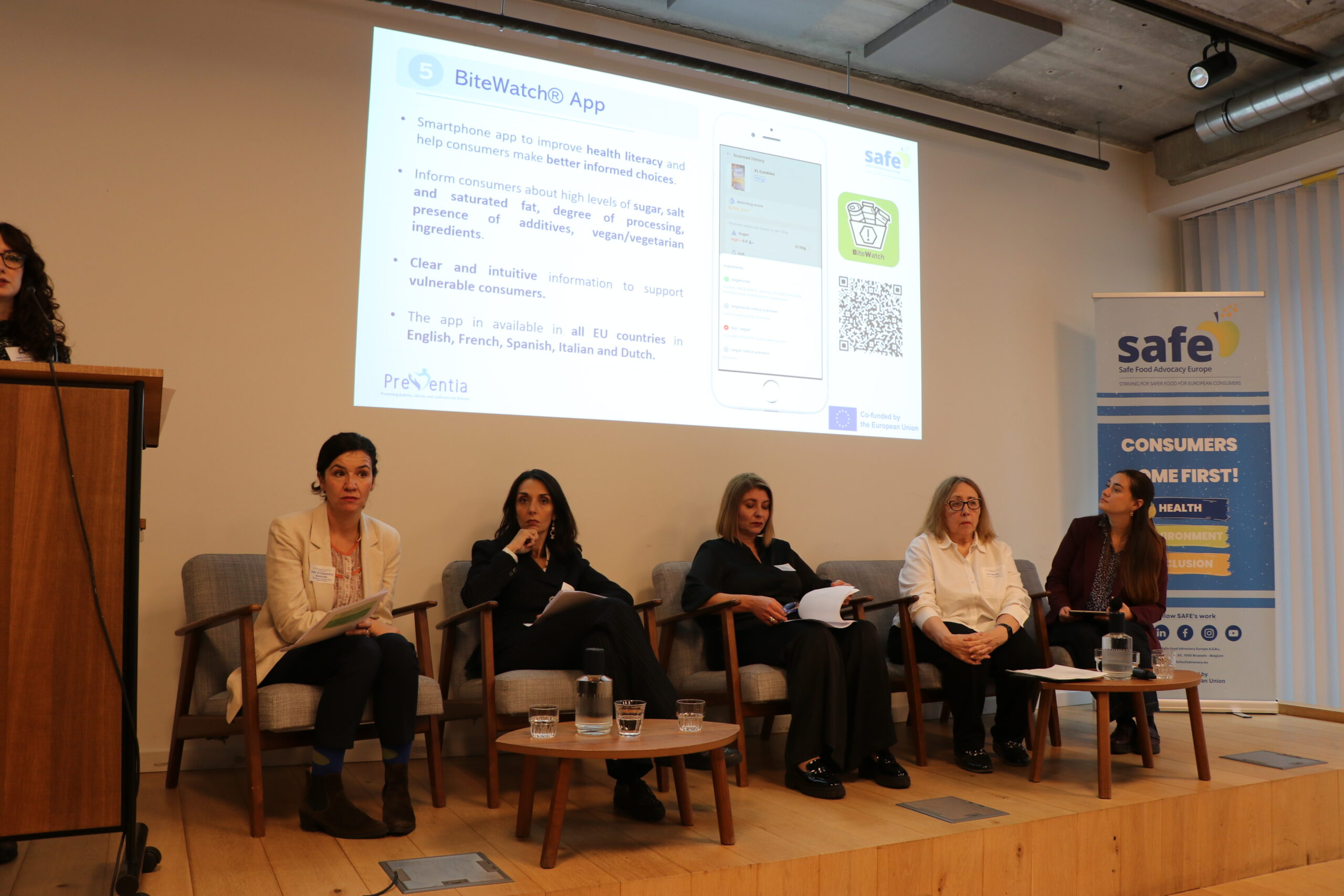
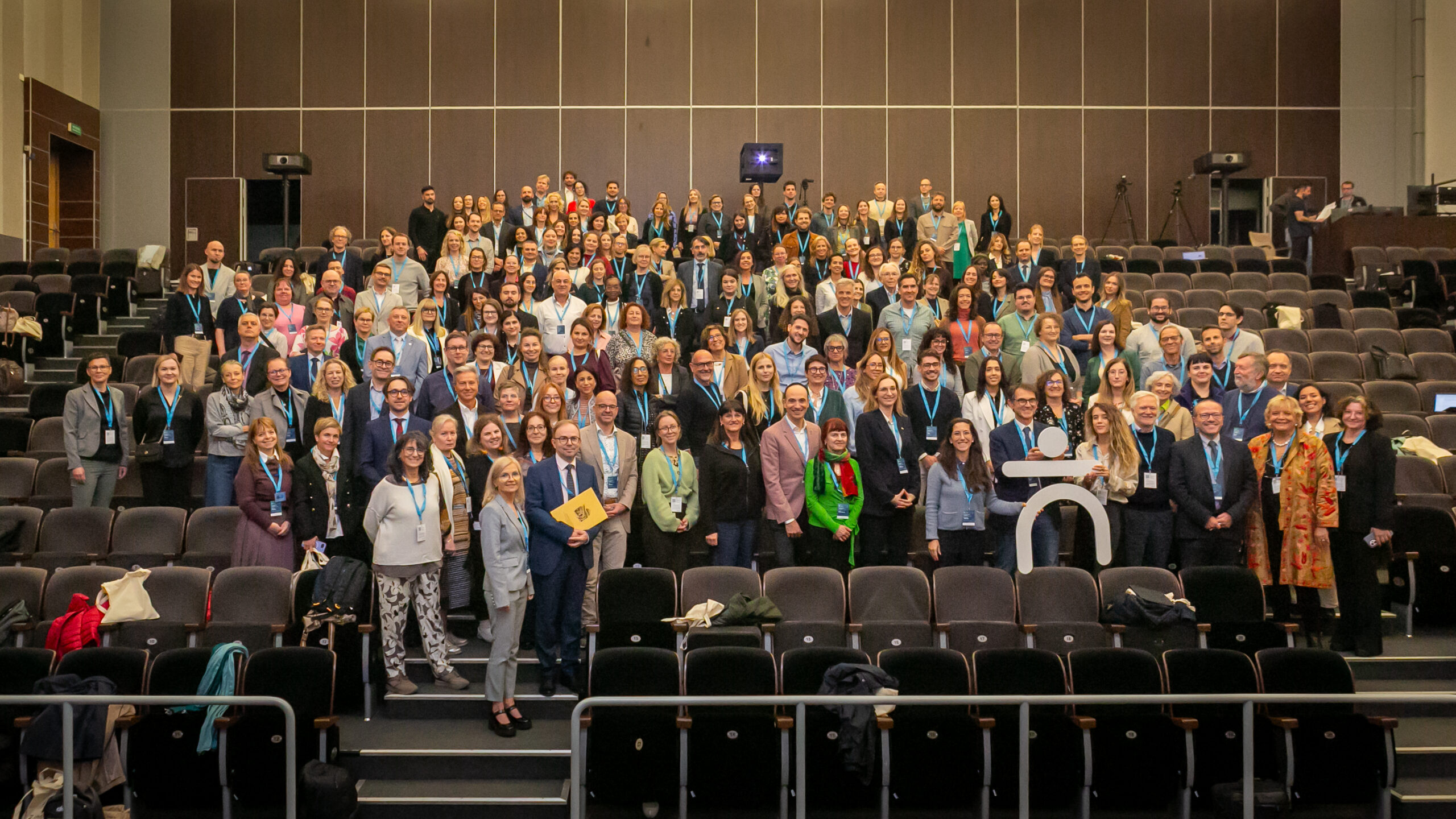
The conference brought together policy-makers, experts and key stakeholders from across Europe to discuss the future of food security, health and sustainability in the EU. The round-table discussions and keynote speeches addressed topics such as non-communicable diseases, ultra-processed foods, eating disorders, responsible marketing, healthier food environments and the need for consumers to have access to clear, accurate and accessible food information, emphasising how EU food legislation can better serve the most vulnerable people.
Health literacy as a tool for prevention
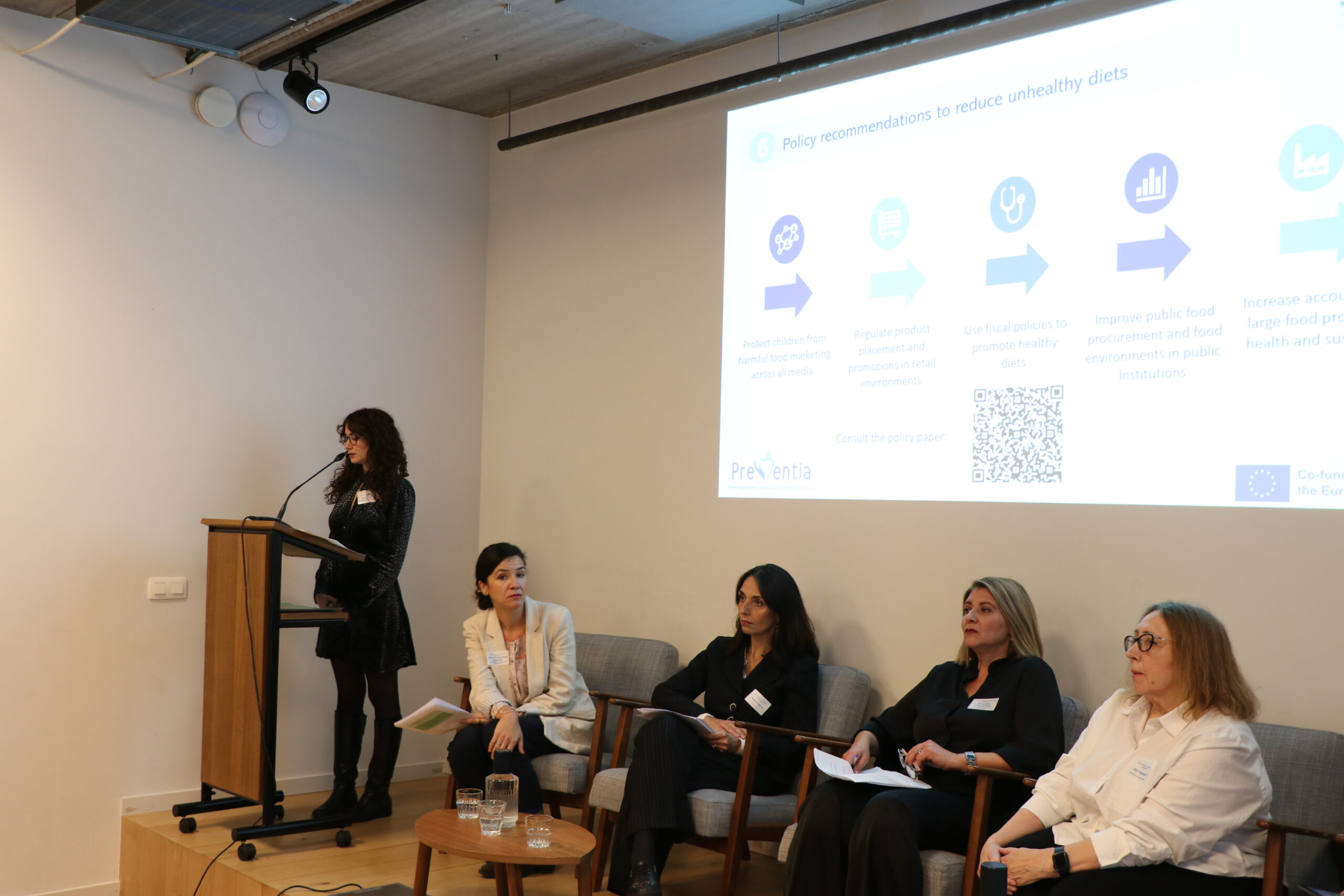
In the presentation, delivered by Irati Erreguerena, Researcher and Project Manager at Biosistemak, entitled ‘Health literacy as a key determinant for improving the health of European citizens’, Biosistemak shared the experience and work of JACARDI, which focuses on raising awareness of cardiovascular and diabetes risk factors and on health promotion; on co-creating health literacy interventions tailored to various contexts; and on empowering vulnerable and disadvantaged groups to make informed health decisions.
The presentation highlighted the importance of synergistic activities with other projects, emphasising the collaboration between JACARDI and the Preventia Joint Action through SAFE. One example is the WP6 pilot project in Florence, aimed at women aged between 45 and 70, which has integrated the BiteWatch app – a food literacy tool developed by SAFE – with the aim of improving knowledge of health and nutrition and adherence to the Mediterranean diet. This enables participants in the intervention to scan product barcodes, thereby accessing nutritional information and lists of ingredients, which allows them to make informed dietary choices – an example of collaboration between projects and knowledge transfer.
European synergies to drive knowledge transfer
WP6 has also highlighted the co-organisation of a workshop held at the 18th European Public Health Conference (EPH) (Helsinki, 2025), which led to the recently published perspective article ‘From projects to prevention systems: expanding health literacy for equitable prevention of non-communicable diseases in Europe’ in the journal *Frontiers in Public Health*.
Beyond these specific collaborations, the synergy between JACARDI and Preventia highlights the added value of strengthening links between EU-funded projects working towards common public health objectives. By sharing tools, methodologies, empirical data and practical experience, projects can avoid duplication of effort, maximise the impact of public investment and accelerate the transformation of knowledge into effective action for citizens.
These synergies help to build a stronger and more coordinated European prevention ecosystem, improving the sustainability, scalability and reach of health literacy interventions, particularly for vulnerable and underserved populations.