We present JACARDI’s health literacy work to the Ministry of Health
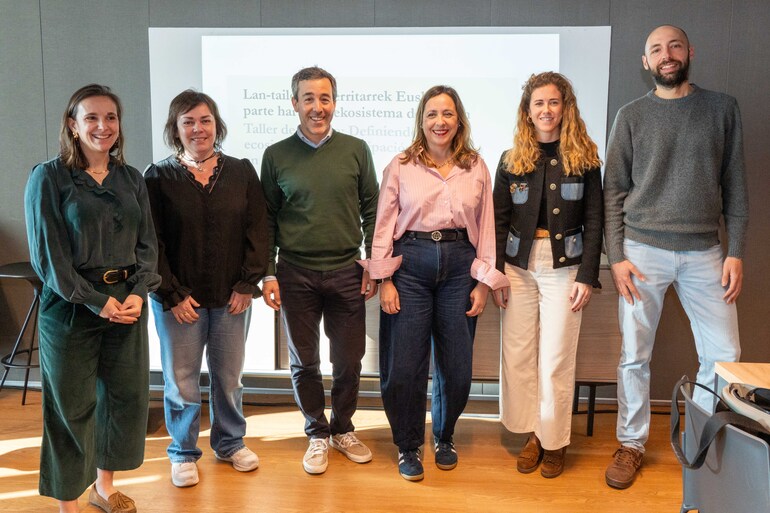
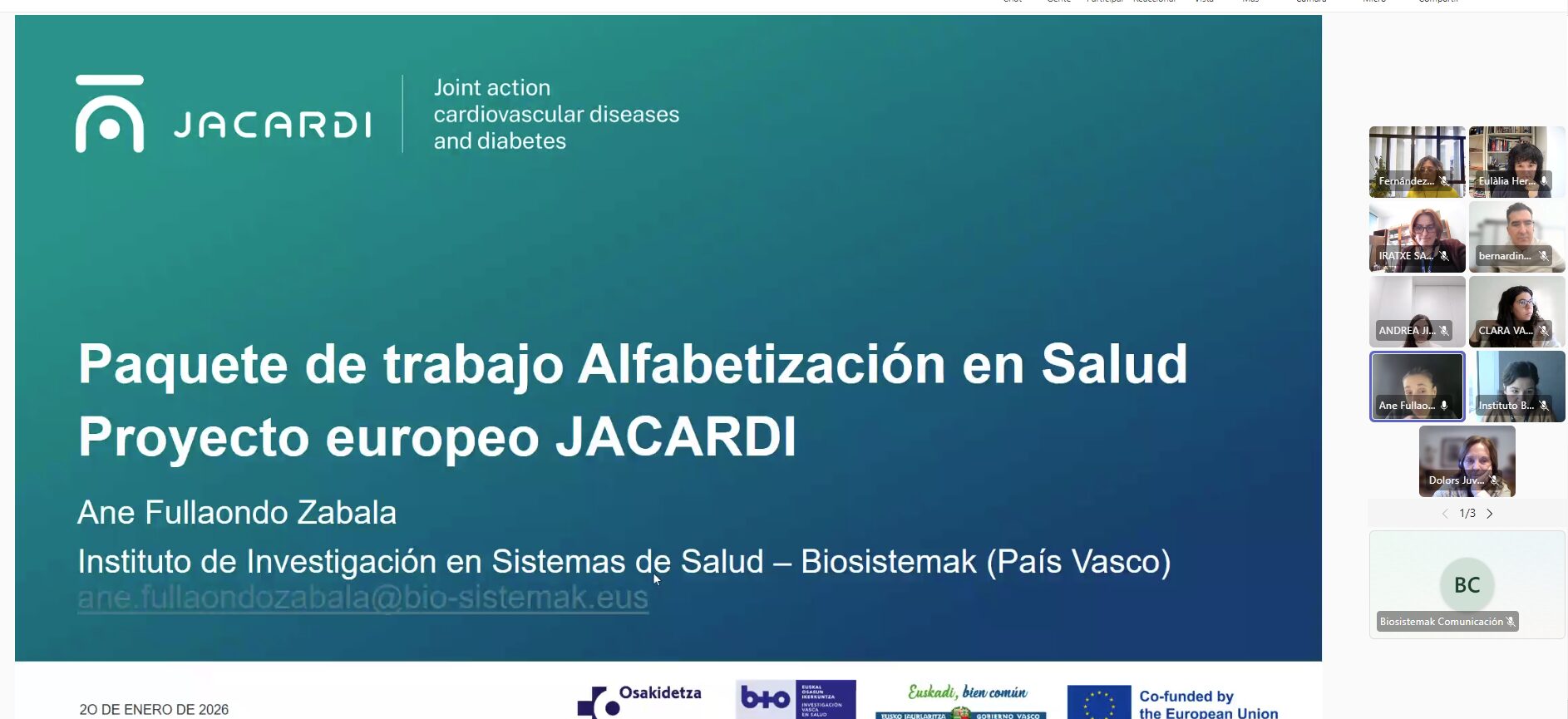
Scientific director Ane Fullaondo and researcher Irati Erreguerena, together with Osakidetza, were responsible for presenting the Basque Country’s experience.
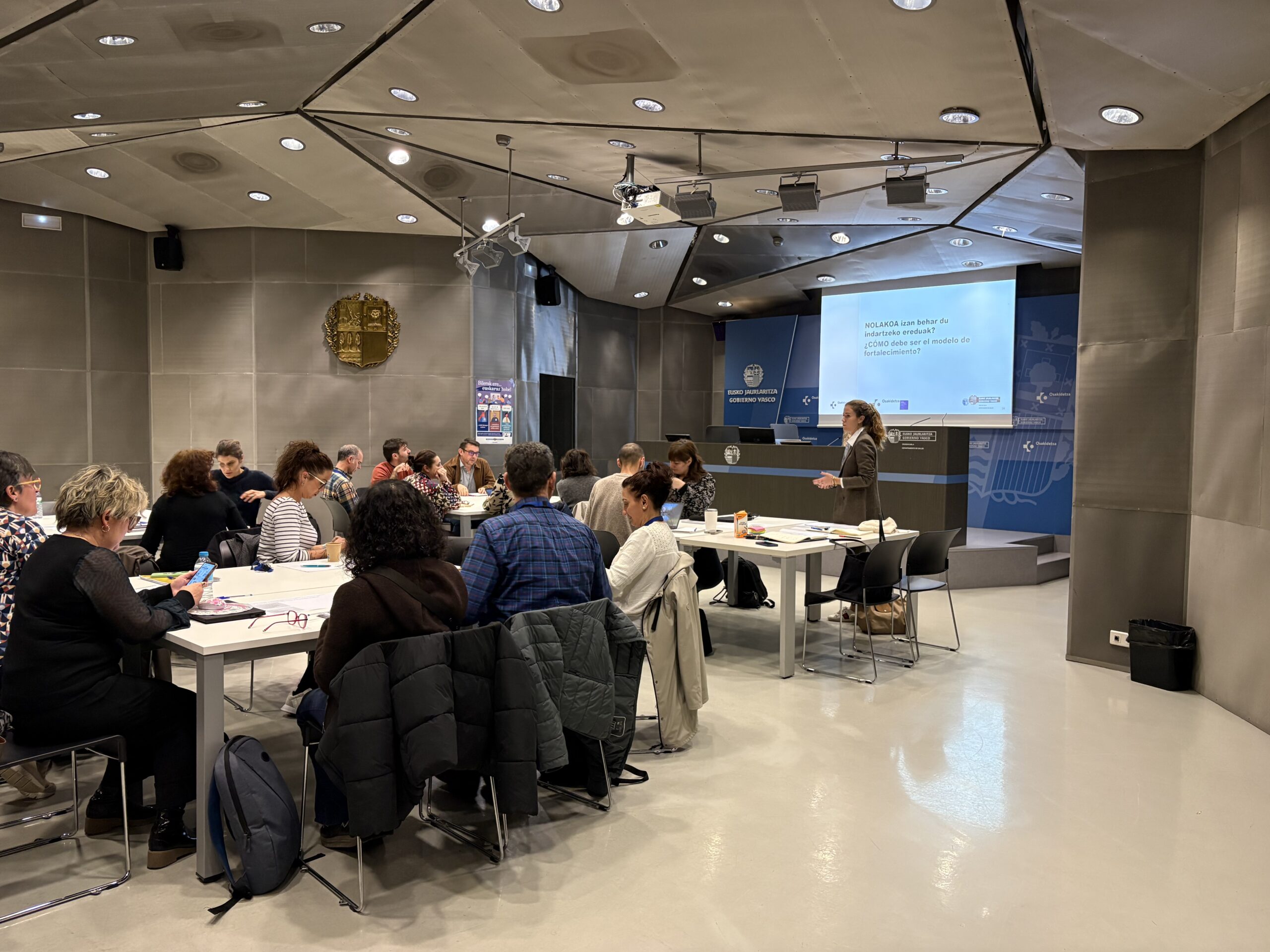
On 20 January, Biosistemak, together with Osakidetza’s Primary Care Coordination team, represented by Iratxe Salcedo and Clara Val, presented the work carried out within the framework of the European JACARDI project to the Ministry of Health. The project focuses on improving health literacy among adolescents and young people in the Basque Country.
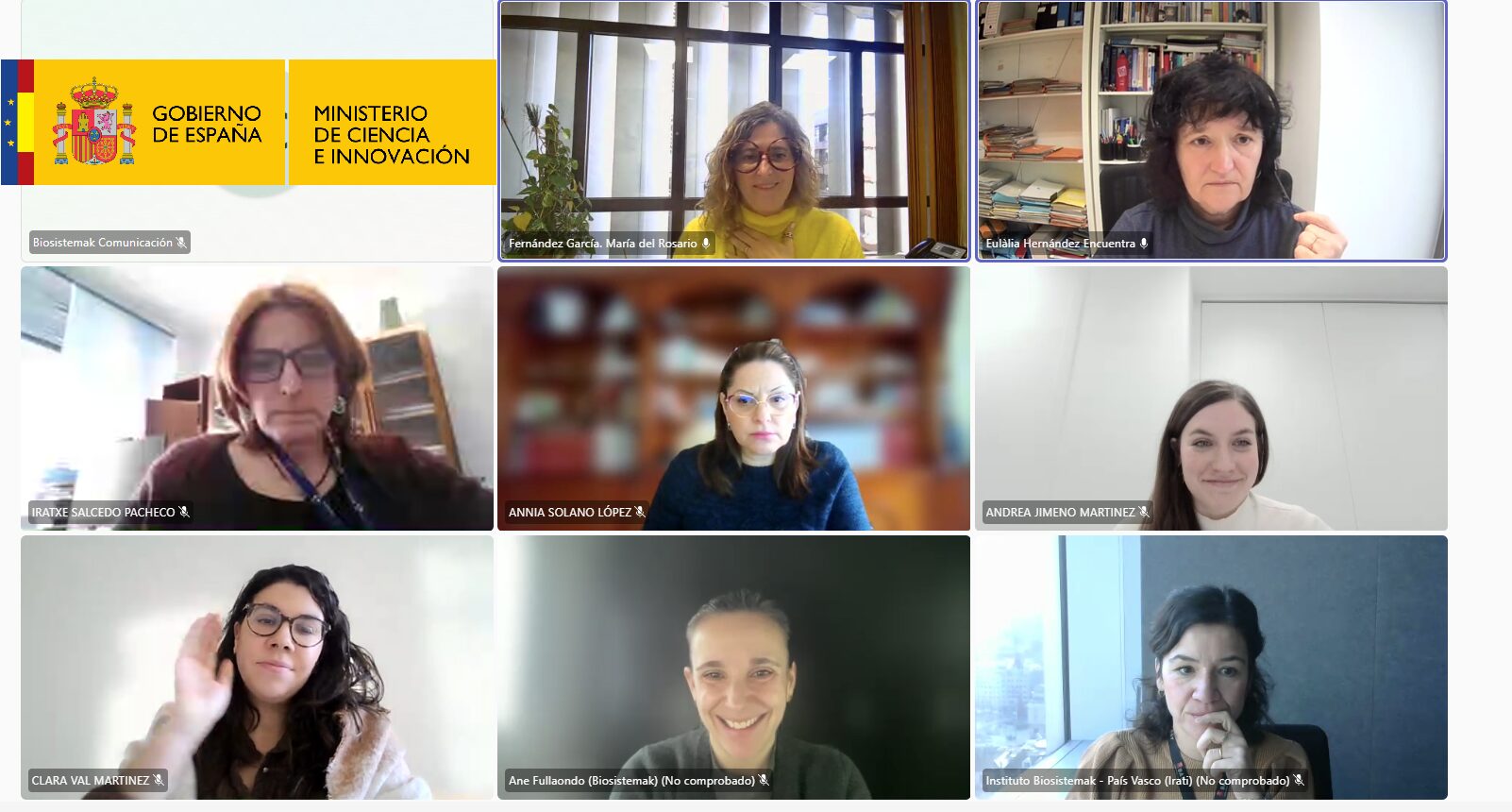
During the meeting, the general framework of the European JACARDI project was presented together with FundeSalud (Junta Extremadura), as well as the common implementation methodology defined and on which the 143 pilot projects are based, which are being rolled out in 21 European countries. Progress on the various European pilot projects was also shared, with a special focus on the Ophelia methodology, a model focused on co-design with a perspective of equity, specially adapted to vulnerable populations.
JACARDI and health literacy
JACARDI is a European project that aims to improve the prevention and treatment of cardiovascular disease and diabetes, focusing on health literacy, equity and sustainability.
The health literacy work package is led by Santé publique France, with Mounia el Yamani and Andrea Guajardo Villar as representatives, and Biosistemak as co-leader, through its scientific director Ane Fullaondo Zabala and Irati Erreguerena Redondo, researcher and project manager at Biosistemak. Health literacy is conceived as a two-way process: on the one hand, it encompasses people’s skills in accessing, understanding, using and evaluating health information; on the other, it involves the ability of health organisations to make that information accessible and facilitate informed health decisions.
Ophelia methodology and equity approach
One of the central themes of the presentation was the co-creation methodology based on the internationally validated Ophelia methodology, a participatory co-design approach that involves the target population and key stakeholders from the initial stages of intervention design.
This methodology is particularly suitable for addressing health inequalities, promoting equity and taking into account the diversity of people by incorporating the perspectives and needs of all types of people, taking all voices into account.
Within the framework of JACARDI, 26 pilot projects are being developed in 13 European countries, four of them in Spain, targeting different population groups: the general adult population, people with diabetes, pregnant women, vulnerable populations, and children and adolescents.
Pilot experiences at the national level
During the meeting, the four national pilot experiences in health literacy were presented, including:
- Optimising health literacy to improve care after a stroke in Aragon.
- Health literacy and promotion programmes aimed at children in the educational setting.
- Initiatives to promote health literacy in cardiovascular disease and diabetes through digital training models.
- The Osakidetza Health Literacy Programme, aimed at adolescents, young people and their environment, coordinated by Biosistemak in collaboration with the Basque Health Service.
The participation of Biosistemak together with the Osakidetza Sub-Directorate for Primary Care Coordination in this meeting reinforces the commitment of both institutions to research in health systems, state cooperation with other communities, and the development of innovative strategies in health literacy, from a perspective of equity and social impact.