Third meeting to advance the Basque ecosystem of participation
The meeting explored the design of a social prescription model and its integration into the future Master Plan for Citizen Participation in Health.
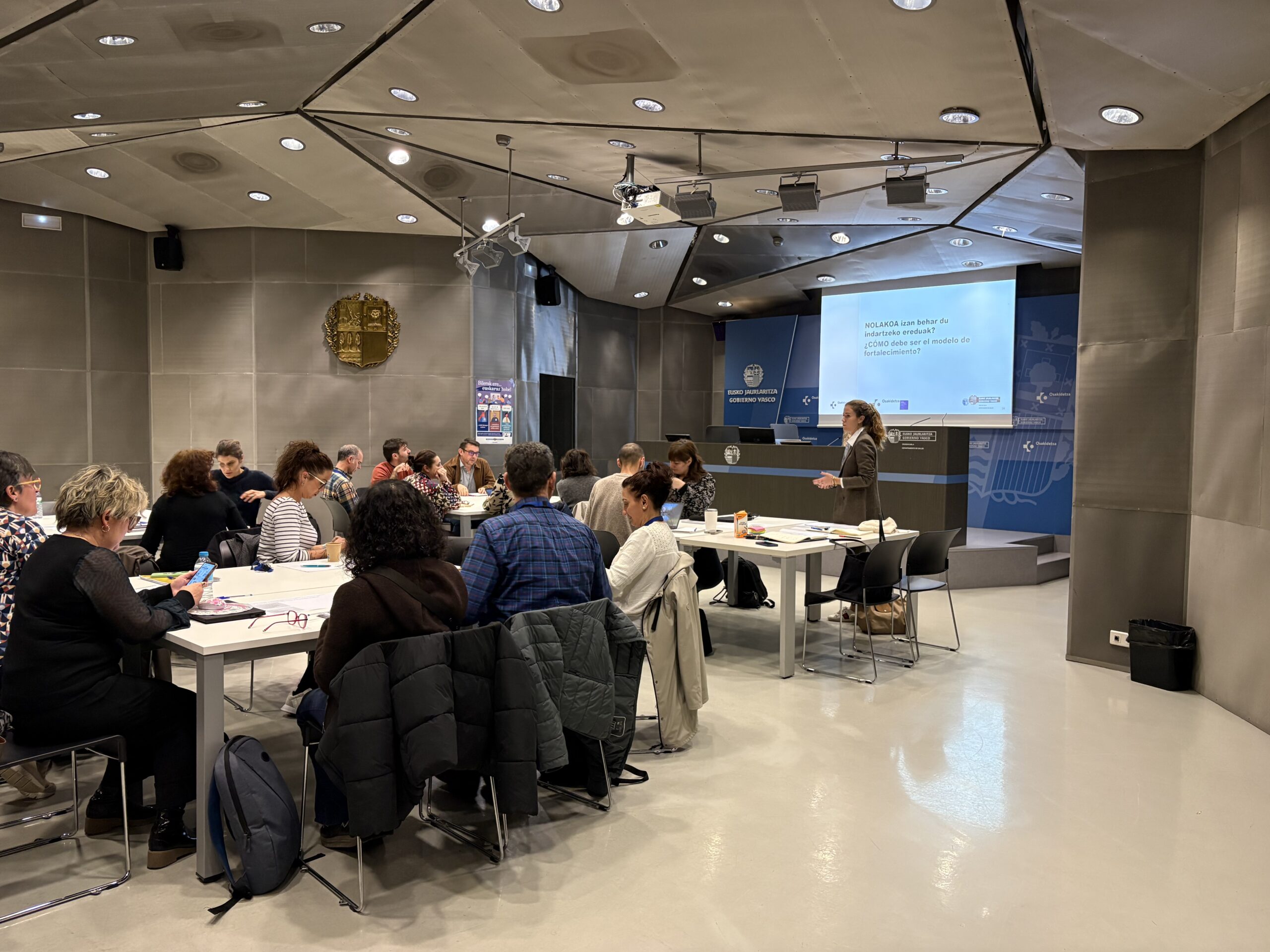
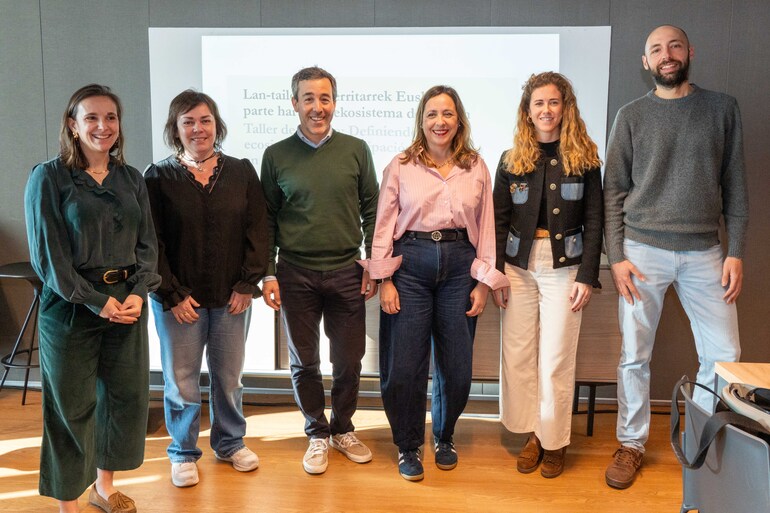
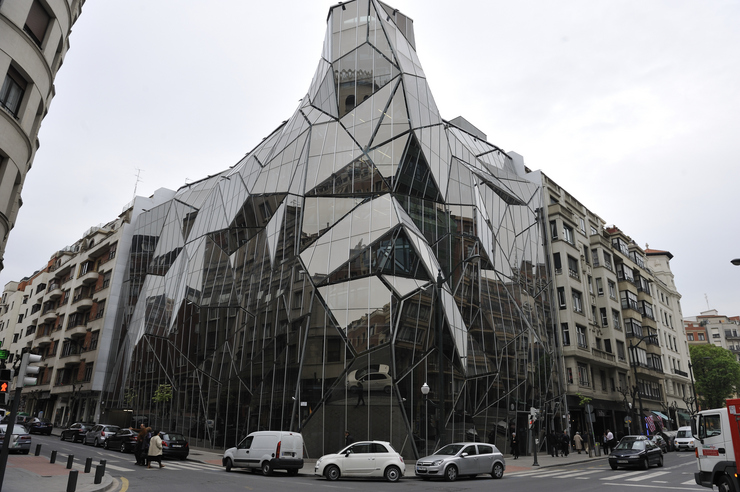
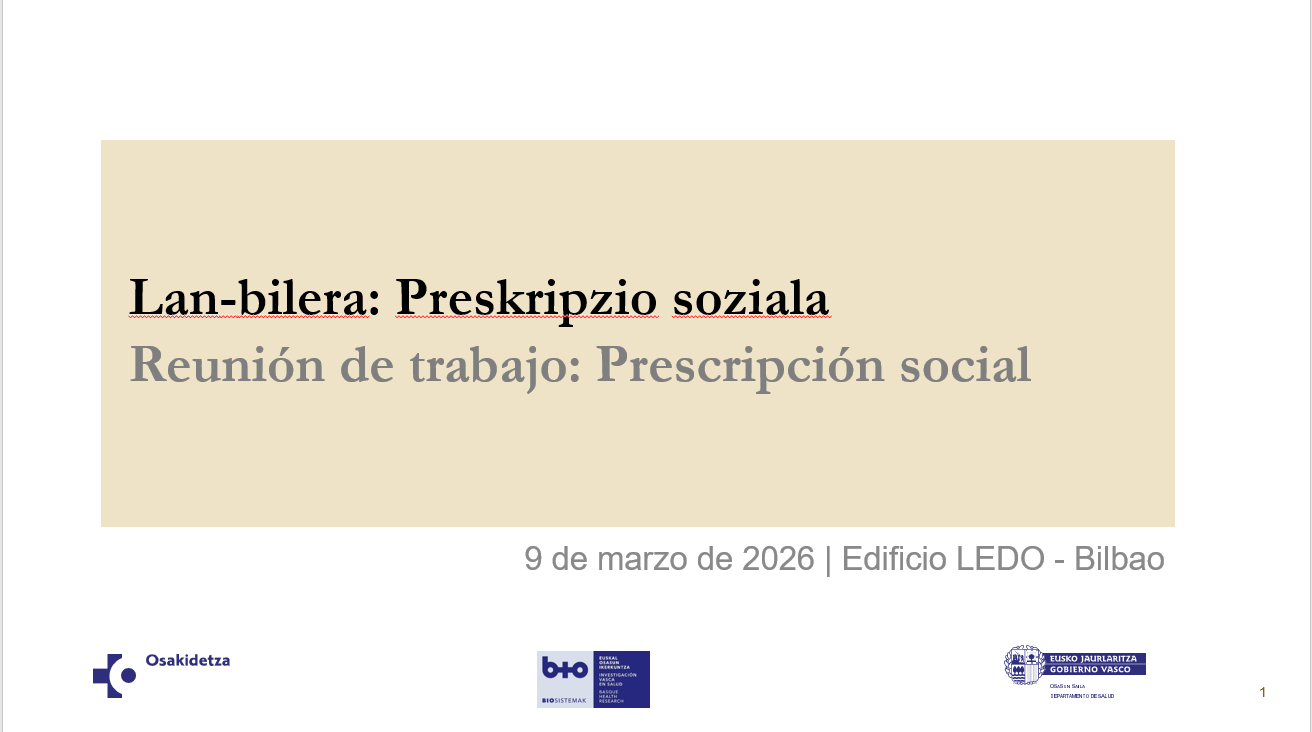
On 9 March, the Basque Government’s Department of Health held a new session at the LEDO Building in Bilbao, focusing on social prescription as part of the process of building the Basque ecosystem for citizen participation. Biosistemak supported the Directorate for Transformation, Planning and Digitalisation in Health with the methodology and facilitation of the workshop, led by the scientific director, Ane Fullaondo, and the researcher and project manager, Yhasmine Hamu, alongside patient associations, Osakidetza professionals and community stakeholders.
The workshop revisited the conclusions of the meeting held on 23 February, which identified strengths and structural challenges regarding participation. On this basis, a broad vision of social prescription was presented, integrating municipal, provincial, community and third-sector resources. This approach requires defining clear sub-areas, strengthening connections between stakeholders and avoiding parallel developments that limit the coherence of the system.
The session highlighted the need to design a two-way referral network, allowing referrals from any sector and fostering balanced collaboration between health services, associations and community resources. The need for referral points, effective interoperability and a shared governance framework was also addressed, as well as the creation of a validation and accreditation system to guarantee the quality, reliability and coherence of the resources incorporated into the network.
A ‘social handbook’ for the Basque Country
The technological dimension was considered essential for the future model. The need for a dynamic tool was highlighted to facilitate access to and updating of the resource map, the issuing of referrals and the receipt of feedback. Within this framework, collective work was carried out to define a social handbook designed to guide professionals and the public, structure the available resources, ensure their reliability and effectively connect the health and community sectors.
The workshop concluded with a summary of the progress made and a commitment to incorporate the contributions into the Master Plan for Citizen Participation in Health.
The next thematic session, held on 18 March and dedicated to the Basque Register of Patient Associations, was more operational and focused on internal work, enabling concrete progress to be made on functional aspects of the register.